
¿Busca alternativas a AQMesh? Compare Sensorbee, Aeroqual, Kunak y otros sistemas de monitorización de calidad del aire con especificaciones, certificaciones y orientación honesta para proyectos en el Reino Unido.
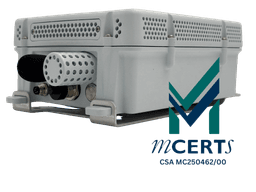
AQMesh es uno de los sistemas de monitorización de calidad del aire con sensores compactos más establecidos, con despliegues en todo el mundo y certificaciones MCERTS, EPA y TUV. Mide hasta 19 parámetros — incluyendo gases, partículas y datos meteorológicos — lo que lo convierte en una plataforma capaz y bien probada.
Entonces, ¿por qué buscar alternativas? Varias razones surgen en conversaciones con consultores ambientales del Reino Unido: proyectos que requieren monitorización de ruido o vibración junto con la calidad del aire; sitios donde la simplicidad del despliegue importa más que el máximo conteo de gases; presupuestos que favorecen sistemas integrados frente a precios por parámetro; o simplemente la necesidad práctica de evaluar opciones antes de comprometerse.
Esta guía compara AQMesh con cuatro sistemas alternativos de monitorización de calidad del aire disponibles en el Reino Unido, centrándose en especificaciones técnicas, certificaciones y consideraciones prácticas de despliegue.
Lo Que Ofrece AQMesh
AQMesh es fabricado por Environmental Instruments Ltd, una empresa del Reino Unido con sede en Stratford-upon-Avon. El pod AQMesh mide hasta 19 parámetros:
- Gases: NO, NO2, O3, CO, SO2, H2S, TVOC, CO2, CH4 (hasta 6 por dispositivo)
- Partículas: PM1, PM2.5, PM10, TPC, PM Total (con entrada calentada opcional para gestión de humedad)
- Meteorología: Temperatura, presión, humedad, velocidad del viento, dirección del viento
El sistema cuenta con certificaciones MCERTS, EPA y TUV, con una precisión publicada de ±5% para mediciones de gases y ±10% para partículas. Los datos se transmiten por celular (LTE CAT M1 / compatible 2G/4G/5G) a AQMeshData.net, un servidor en la nube con aproximadamente 10 años de historial operativo.
Las fortalezas clave de AQMesh incluyen la amplitud de medición de gases (la mayoría de gases disponibles en un solo dispositivo configurable del mercado), precisión demostrada a través de extensos ensayos de comparación por co-localización, y un algoritmo propietario de procesamiento de datos desarrollado durante más de 8 años. Las opciones de alimentación incluyen un "pack solar inteligente" con gestión inteligente de respaldo de energía, red eléctrica o batería.
Con 69 palabras clave en el Reino Unido y aproximadamente 101 visitas orgánicas mensuales, AQMesh tiene una presencia de búsqueda menor que algunos competidores pero una sólida reputación entre los profesionales de calidad del aire.
Por Qué Buscar Alternativas a AQMesh
AQMesh es una plataforma de calidad del aire capaz, pero no es la opción correcta para cada proyecto. Razones comunes por las que los consultores evalúan alternativas:
- Sin medición de ruido ni vibración. AQMesh solo monitoriza calidad del aire. Los proyectos de construcción del Reino Unido que operan bajo condiciones de consentimiento de la Sección 61 típicamente requieren monitorización de polvo, ruido y vibración — tres parámetros que AQMesh no puede cubrir desde un solo dispositivo.
- Límites de gases por dispositivo. Cada pod AQMesh soporta hasta 6 gases (incluyendo CO2). Si necesita más de 6 gases, necesita dos dispositivos.
- Complejidad de despliegue. Los pods AQMesh requieren una ubicación cuidadosa, y los despliegues urbanos pueden complicarse por la propiedad de postes, el suministro eléctrico desde farolas y las limitaciones de paneles solares en áreas edificadas.
- Desajuste del alcance del proyecto. Si su plan de monitorización requiere solo polvo (PM10/PM2.5) más ruido y vibración — como muchos proyectos de construcción — un sistema centrado en calidad del aire como AQMesh puede proporcionar más capacidad de medición de gases de la que necesita, a un coste superior.
Comparación de las Principales Alternativas
| Característica | AQMesh | Sensorbee Pro 2 | Aeroqual AQS 1 | Kunak AIR Pro | Clarity Node-S | |----------------|--------|-----------------|----------------|---------------|----------------| | Gases | Hasta 6 (NO, NO2, O3, CO, SO2, H2S, TVOC, CO2, CH4) | Hasta 6 módulos (NO2, SO2, CO, O3, H2S, CO2, NH3, VOC) | Hasta 3 (NO2, CO, O3, VOCs, SO2, H2S, CH4) | Hasta 5 (O3, NO2, H2S, CO, SO2, NH3, VOC) | NO2 (+ módulo multi-gas opcional: NO2, CO, O3) | | Polvo | PM1, PM2.5, PM10, TPC, PM Total | PM1, PM2.5, PM10 | PM1, PM2.5, PM4, PM10, TSP | PM1, PM2.5, PM10 | PM2.5 | | Ruido | No | LAeq (dB) | Opcional | Opcional (sonda externa) | No | | Vibración | No | PPV | No | No | No | | MCERTS | Sí (PM) | Sí (PM10 y PM2.5) | Solo variante Dust Sentry | No documentado públicamente | Sí | | Energía solar | Pack solar inteligente | Estándar (batería 20 Ah) | Opcional | Opcional | Estándar | | Peso | No documentado públicamente | ~1,9 kg | No documentado públicamente | <3,5 kg | No documentado públicamente | | Conectividad | LTE CAT M1, 2G/4G/5G | LTE-M / NB-IoT | WiFi, Ethernet, 4G | Celular, Ethernet, Modbus, Wi-Fi | Celular (SIM global) | | Plataforma de datos | AQMeshData.net | Sensorbee Cloud | Aeroqual Cloud | Kunak AIR Cloud | Clarity Dashboard |
Sensorbee Pro 2
El Sensorbee Pro 2 es el único sistema en esta comparación que incluye medición de ruido (LAeq) y vibración (PPV) como estándar. Con 1,9 kg, energía solar y una batería de 20 Ah, se despliega en menos de 5 minutos sin conexión a red, sin generador y sin tendido de cables.
Sensorbee soporta hasta seis módulos de gas — NO2, SO2, CO, O3, H2S, CO2 — igualando la capacidad de gases por dispositivo de AQMesh. Cuenta con certificación MCERTS para PM10 y PM2.5.
Ideal para: Proyectos de construcción en el Reino Unido que requieren monitorización NDV combinada con calidad del aire; entornos de puertos y aeropuertos que necesitan monitorización de ruido y emisiones; cualquier proyecto donde la energía solar y el despliegue rápido sean prioridades.
Comparado con AQMesh: Sensorbee añade ruido y vibración, iguala el conteo de módulos de gas, pero mide menos fracciones de partículas (sin TPC ni PM Total). AQMesh ofrece opciones de gas más amplias y un algoritmo de procesamiento de datos más maduro.
Aeroqual AQS 1
El Aeroqual AQS 1 mide partículas (PM1 a TSP) y hasta tres gases, con medición de ruido opcional. Soporta aplicaciones de monitorización de construcción, remediación, terrenos industriales abandonados y monitorización industrial. Certificado MCERTS a través de la variante Dust Sentry.
Aeroqual Cloud es una plataforma madura que soporta hasta 3.000 monitores por cuenta con diagnósticos remotos, informes automatizados e integración de dispositivos de terceros. El AQS 1 está bien establecido en monitorización de construcción y remediación.
Ideal para: Proyectos de construcción y remediación centrados en monitorización de polvo y gases; terrenos industriales abandonados que requieren medición de VOC, H2S y CH4; proyectos que necesitan fracciones de TSP y PM4.
Comparado con AQMesh: El AQS 1 mide menos gases (3 vs 6) pero añade fracciones de polvo TSP y PM4. Sin capacidad de vibración. Mejor enfoque al sector de la construcción con informes de cumplimiento específicos.
Kunak AIR Pro
El Kunak AIR Pro es una estación dedicada de calidad del aire que mide hasta cinco gases y partículas mediante un sistema patentado de cartuchos plug-and-play. Compatible con energía solar con respaldo de batería. Con menos de 3,5 kg, es compacto para una estación de calidad del aire, aunque más grande que Sensorbee.
Kunak publica datos detallados de precisión por co-localización (O3 a ±8 ppb, NO2 a ±5 ppb) y tiene despliegues notables incluyendo FIA Formula E y operaciones mineras. Kunak AIR Cloud ofrece funciones avanzadas incluyendo calibración remota, predicción y una API extensiva.
Ideal para: Redes puras de monitorización de calidad del aire; despliegues urbanos que requieren cobertura densa de nodos (variante AIR Lite); proyectos donde la documentación de validación de precisión de medición de gases es crítica.
Comparado con AQMesh: Kunak mide menos gases por dispositivo (5 vs 6) pero ofrece datos de precisión publicados más detallados. Mejores opciones de conectividad (celular, Ethernet, Modbus, Wi-Fi). Sin ruido ni vibración.
Clarity Node-S
El Clarity Node-S es un sensor de calidad del aire certificado MCERTS, alimentado por energía solar, que mide PM2.5 y NO2 (con módulos opcionales de carbono negro y multi-gas para CO y O3). Opera con un modelo de suscripción Sensing-as-a-Service — hardware más servicios de datos continuos.
El enfoque de Clarity se dirige a reguladores, investigadores y grupos comunitarios con un enfoque en la facilidad de despliegue y la escalabilidad de red. Su panel de control está diseñado para usuarios no técnicos.
Ideal para: Programas de monitorización centrados en PM2.5; organismos reguladores que despliegan redes de monitorización indicativa; proyectos donde se prefiere un modelo de suscripción (sin gasto de capital inicial).
Comparado con AQMesh: Clarity mide muchos menos parámetros (PM2.5 y NO2 vs los 19 de AQMesh), pero el modelo de suscripción y la certificación MCERTS lo hacen accesible para requisitos de monitorización más simples. Sin ruido, vibración ni capacidad amplia de gases.
¿Qué Alternativa Se Ajusta a Su Proyecto?
La elección correcta depende de lo que requiera su plan de monitorización:
Si necesita ruido, polvo y vibración en un solo dispositivo: Solo el Sensorbee Pro 2 proporciona los tres desde una sola estación alimentada por energía solar. Ningún otro sistema en esta comparación — incluyendo AQMesh — ofrece monitorización de vibración integrada.
Si necesita la gama más amplia de medición de gases: AQMesh sigue siendo la opción más fuerte para máxima diversidad de gases desde un solo pod (hasta 6 gases más CO2). Sensorbee iguala el conteo de gases por dispositivo con seis módulos. Kunak ofrece cinco gases con datos de precisión documentados.
Si la energía solar y el despliegue rápido son críticos: Sensorbee y Clarity Node-S incluyen energía solar como estándar. AQMesh ofrece un pack solar inteligente como opción. Kunak y Aeroqual soportan solar pero por defecto usan red eléctrica o cargador.
Si necesita monitorización de cumplimiento de construcción: Sensorbee cubre el conjunto completo de requisitos de la Sección 61 (polvo, ruido, vibración) desde una sola estación. Aeroqual AQS 1 cubre polvo con ruido opcional. Ni AQMesh ni Kunak cubren ruido o vibración.
Si el presupuesto es la restricción principal: Evalúe el coste total de propiedad — no solo el precio del hardware. Una sola estación Sensorbee que reemplaza monitores separados de polvo, ruido y vibración puede reducir significativamente el coste total del proyecto. Los precios de AQMesh por pod con configuración personalizada significan que los costes varían significativamente según los requisitos de medición.
Preguntas Frecuentes
¿Se está discontinuando AQMesh?
No. AQMesh continúa siendo fabricado y soportado por Environmental Instruments Ltd. El sistema ha estado en producción por más de una década y se despliega activamente en todo el mundo. Buscar alternativas se trata de encontrar la mejor opción para su proyecto específico, no sobre la viabilidad de AQMesh.
¿Puede alguna alternativa a AQMesh medir tantos gases?
El Sensorbee Pro 2 soporta hasta 6 módulos de gas por estación, igualando el límite de gases por dispositivo de AQMesh. El Kunak AIR Pro soporta hasta 5 gases. Ni el Aeroqual AQS 1 (3 gases) ni el Clarity Node-S (NO2 + CO/O3 opcionales) igualan la amplitud de gases de AQMesh.
¿Qué alternativa a AQMesh tiene certificación MCERTS?
Tres alternativas en esta comparación tienen certificación MCERTS: Sensorbee (PM10 y PM2.5), Aeroqual Dust Sentry (PM10 y PM2.5), y Clarity Node-S (PM2.5). AQMesh también tiene MCERTS. El estado MCERTS de Kunak no está documentado públicamente.
¿Necesito reemplazar AQMesh para añadir monitorización de ruido?
No necesariamente. Si ya tiene pods AQMesh desplegados para calidad del aire, puede añadir equipos de monitorización de ruido separados junto a ellos. Sin embargo, si está especificando un nuevo programa de monitorización que requiere tanto calidad del aire como monitorización de ruido, elegir un sistema que integre ambos — como Sensorbee — evita ejecutar dos plataformas separadas y reduce costes de equipamiento.
¿Cuál es la alternativa a AQMesh más ligera?
El Sensorbee Pro 2 con 1,9 kg es el sistema más ligero en esta comparación. El Kunak AIR Lite (<2,3 kg) y AIR Pro (<3,5 kg) también son relativamente compactos. AQMesh, Aeroqual y Clarity no documentan públicamente el peso de sus productos.
¿Explorando sus opciones? Descargue el catálogo de productos Sensorbee para especificaciones completas, o solicite un presupuesto para discutir cómo Sensorbee se compara con su configuración de monitorización actual.