Loading...
SB6103
OVERVIEW
14W solar panel with adjustable pole/wall mounting for off-grid monitoring stations. CE-certified, M8 plug-in connection, and -30 to +60°C operating range.
CAPABILITIES
14W output powers Air Pro 2 and Air Lite stations autonomously
Adjustable mounting angle for year-round solar optimisation
Flexible pole or wall installation with included steel clamps
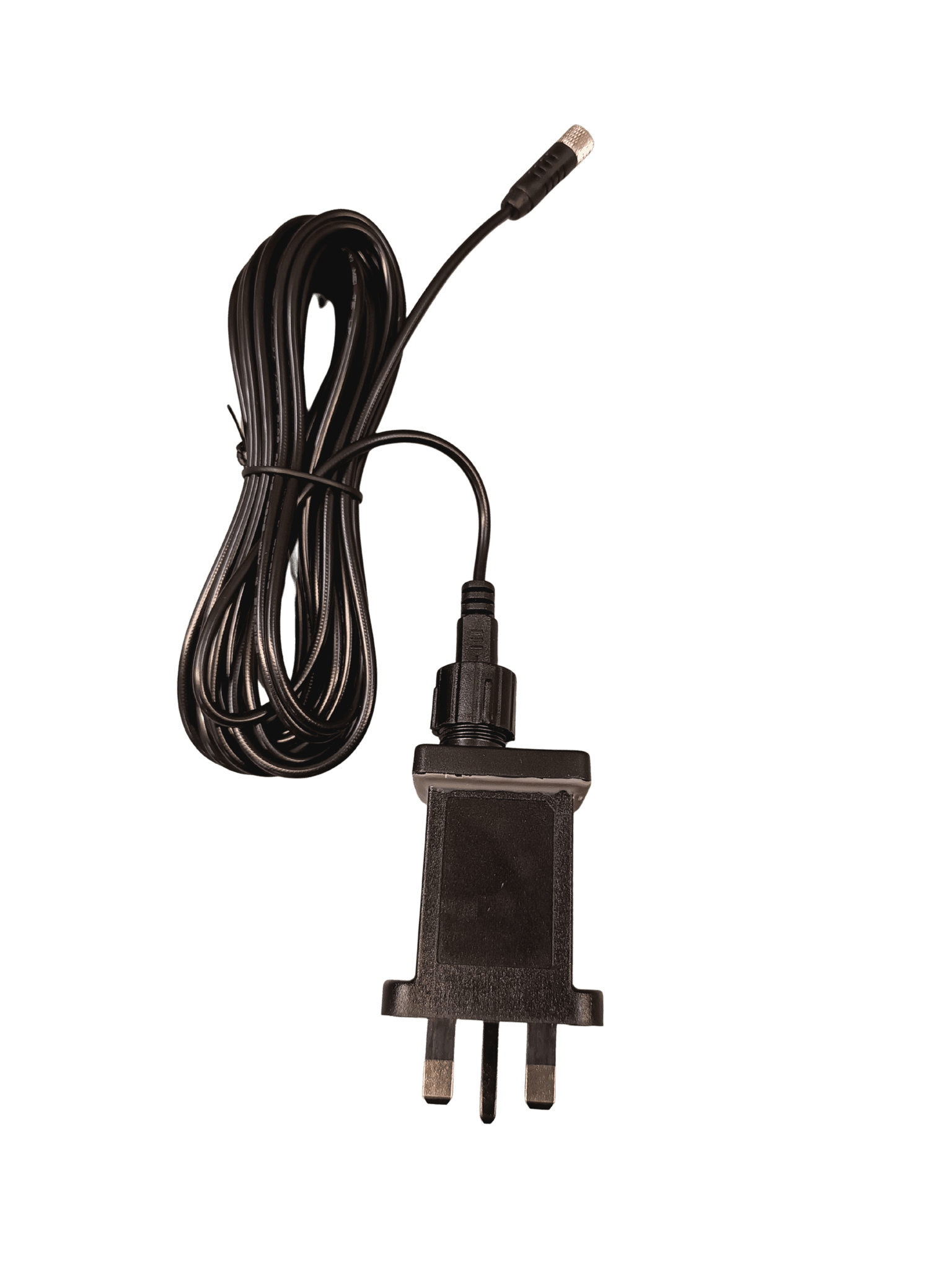
0.5 m cable with M8F-4 connector for plug-in power delivery
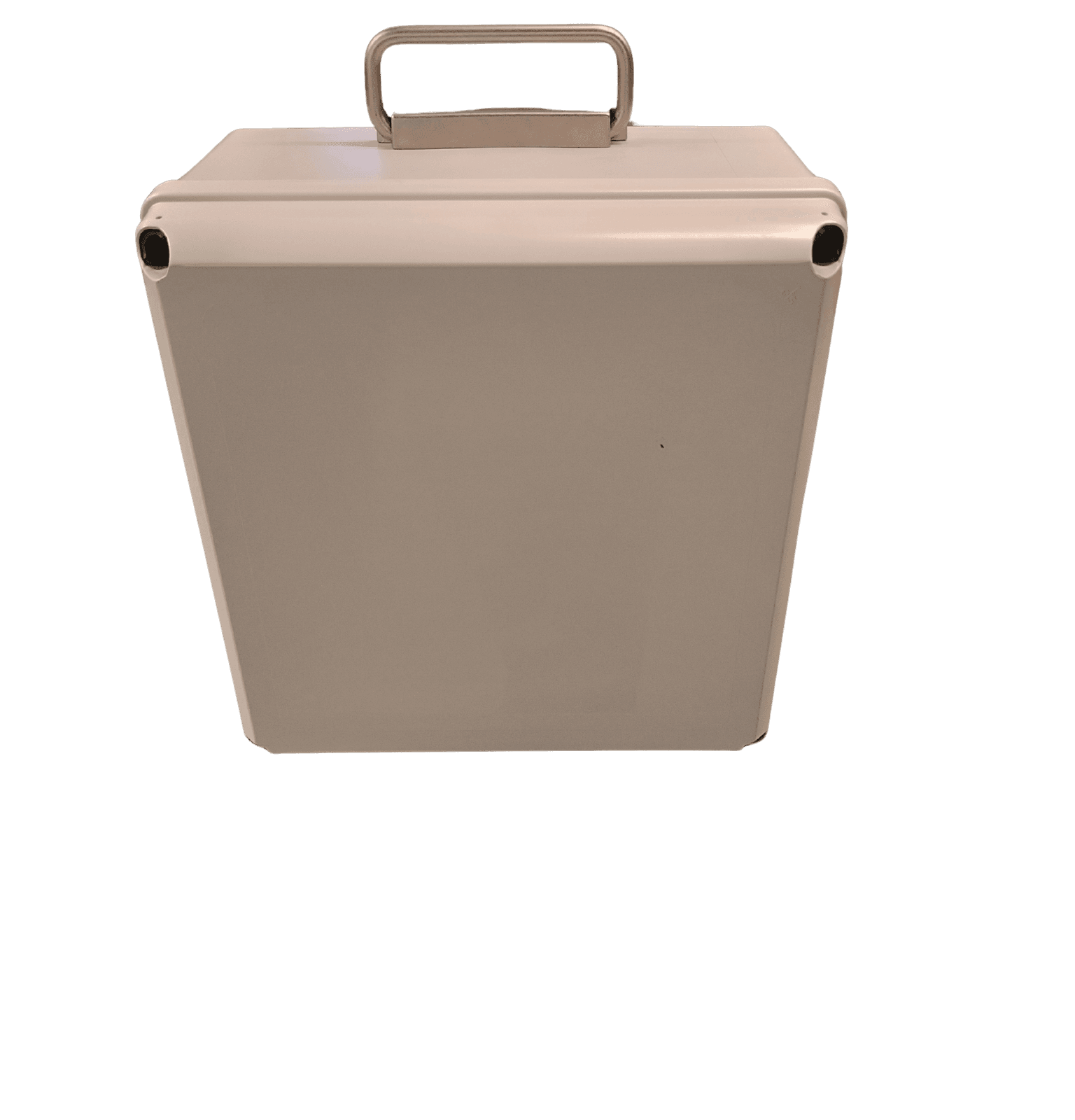
Compact 290 × 280 mm panel weighing just 1.3 kg
Operates from -30 to +60°C across all climatic conditions
SPECIFICATIONS
| Power Output | 14W |
| Cable Length | 0.5m with M8F-4 connector |
| Dimensions | 290 x 280 x 110 mm |
| Weight | 1.3 kg |
| Mounting | Pole/Wall, 2x steel hose included |
| Operating Temperature | -30 to +60 C |
| Operating Humidity | 0 to 99 %RH |
Environmental monitoring stations are often deployed at locations without mains power — construction sites before electrical services are connected, remote agricultural land, roadside perimeters, and temporary event installations. The Sensorbee 14W Solar Panel provides autonomous power for the Air Pro 2 and Air Lite monitoring platforms, eliminating dependence on grid electricity and enabling truly flexible station placement. With adjustable angle mounting, M8 plug-in connection, and a compact 1.3 kg design, the solar panel turns any location with sky exposure into a viable monitoring site.
The solar panel converts sunlight into electrical energy to power the connected Sensorbee monitoring station. The 14W output charges the station's internal battery during daylight hours, providing sufficient energy for continuous 24-hour operation including overnight measurement, data logging, and cellular transmission.
The M8F-4 connector provides a weatherproof, tool-free connection to the Air Pro 2 or Air Lite base station. No wiring, no junction boxes, no electrical installation — the panel plugs directly into the station's power input via the 0.5 m cable. For installations where the panel and station need to be separated by a greater distance, the power cable extender (SB9022) adds 2 metres of reach.
Mains power constrains where monitoring stations can be deployed. Solar power removes that constraint:
The mounting bracket allows the panel angle to be adjusted for optimal solar exposure at any latitude and season. Tilting the panel toward the sun's average elevation angle maximises energy capture — a steeper angle for higher latitudes or winter operation, a shallower angle for summer or equatorial deployments.
The dual mounting system supports both pole and wall installation:
At 290 × 280 mm and 1.3 kg, the solar panel adds minimal bulk and wind loading to monitoring station installations. The compact dimensions mean the panel does not significantly increase the visual profile of the station — an important consideration for urban deployments and sites where planning conditions limit equipment visibility.
The -30 to +60°C operating range and 0–99% RH humidity tolerance ensure the panel performs reliably across all seasons and climatic conditions, from freezing winter deployments to hot summer installations.
The solar panel is designed for the Sensorbee cellular monitoring platforms:
The base station's internal battery management system handles charge regulation, so no external charge controller or battery management equipment is required. The panel connects, the station charges — the system is self-managing.
For mains-powered installations where solar is not needed, the power cables and adaptors range (SB90XX) provides USB and 12V power options with regional plug compatibility.
Mount the solar panel with an unobstructed view of the sky, oriented toward the equator (south-facing in the northern hemisphere, north-facing in the southern hemisphere). Adjust the panel angle based on the deployment latitude — approximately 30–40° from horizontal for mid-latitude locations provides good year-round performance.
Avoid mounting positions where buildings, trees, masts, or other structures cast shadows on the panel during any part of the day. Even partial shading significantly reduces power output.
Connect the M8F-4 cable to the base station power input. The station begins charging immediately. No configuration, calibration, or software setup is required — the solar power system is entirely plug-and-play.
For winter deployments at high latitudes where daylight hours are short, verify that the station's duty cycle and transmission frequency allow the battery to maintain charge through extended dark periods. Reducing the measurement interval or transmission frequency conserves battery during periods of limited solar input.
The 14W output is designed to power Sensorbee monitoring stations through normal measurement and transmission cycles, including overnight operation from the internal battery. In typical mid-latitude conditions, the panel provides sufficient energy for year-round autonomous operation.
The station's internal battery provides reserve capacity for periods of reduced solar input. During prolonged overcast conditions, the battery management system maintains operation. If the battery reaches a low threshold, the station can reduce its duty cycle to conserve energy until solar charging resumes.
The solar panel is designed for the cellular variants of the Air Pro 2 and Air Lite platforms. The Air Lite Modbus (SB3352) is typically powered from the connected Modbus network or a local power supply.
No — the solar panel connects directly to the base station via the included M8 cable. No charge controller, inverter, or additional battery is required. For longer cable runs, the SB9022 power cable extender adds 2 metres of reach.
Periodically wipe the panel surface with a soft cloth and clean water to remove dust, bird droppings, and pollen that reduce power output. Avoid abrasive materials that could scratch the panel surface.
Speak to our technical team about specifications, site suitability, and pricing.