Loading...

Port air quality and emissions monitoring for SO2, NO2 and particulate matter. Track ship emissions, meet IMO compliance. Solar-powered sensors.
24/7
Continuous Monitoring
Real-time
Instant Alerts
MCERTS
Certified
Audit-ready
Reporting
RECOMMENDED PRODUCTS
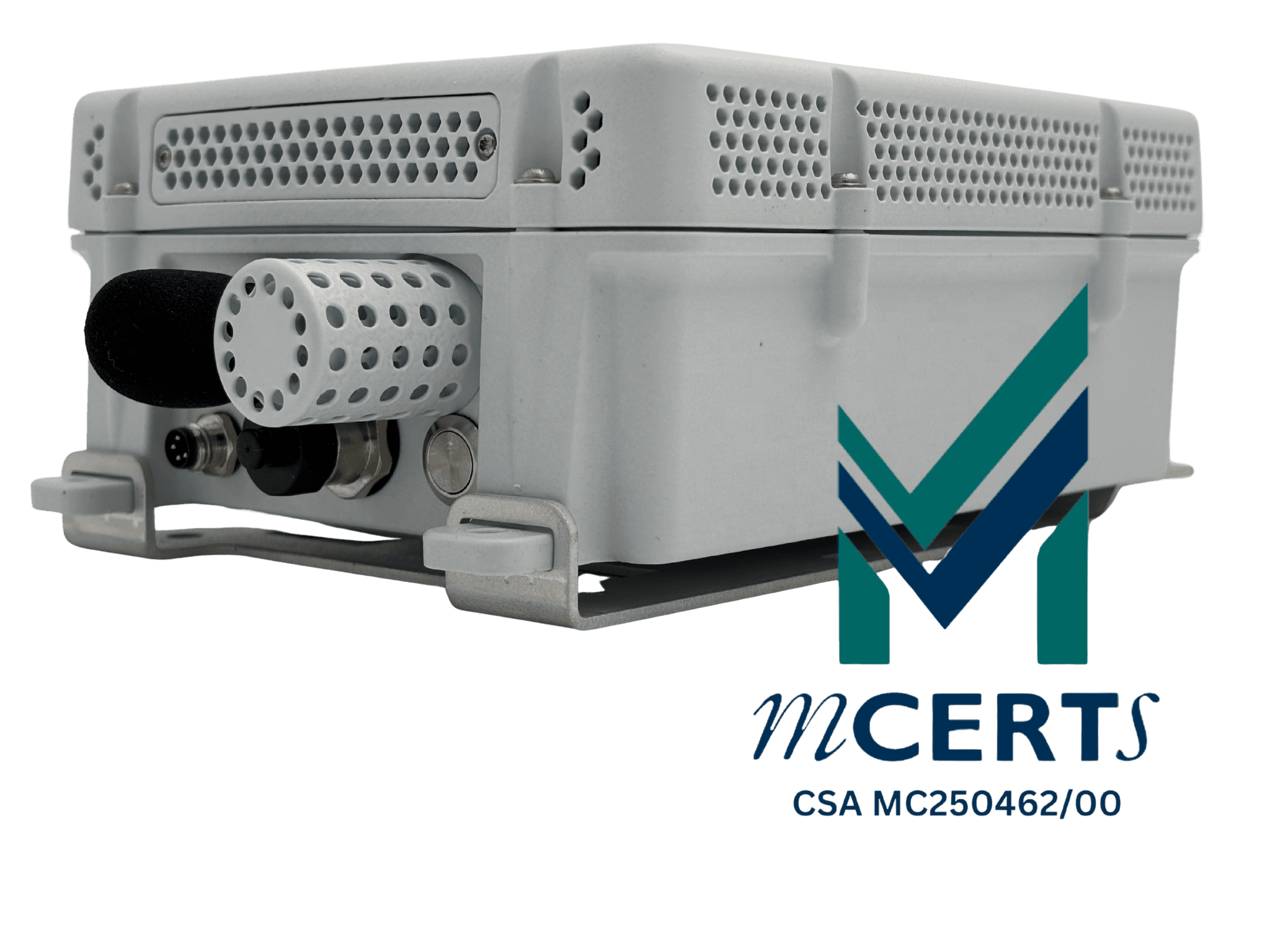
The Sensorbee Air Pro 2 Cellular is a professional air environmental monitoring device. It uses solar power to measure dust, temperature, humidity, and gases. It can connect to extra sensors and shares data via mobile networks. This tool is designed for efficient and eco-friendly monitoring, useful for advanced environmental research and urban management.
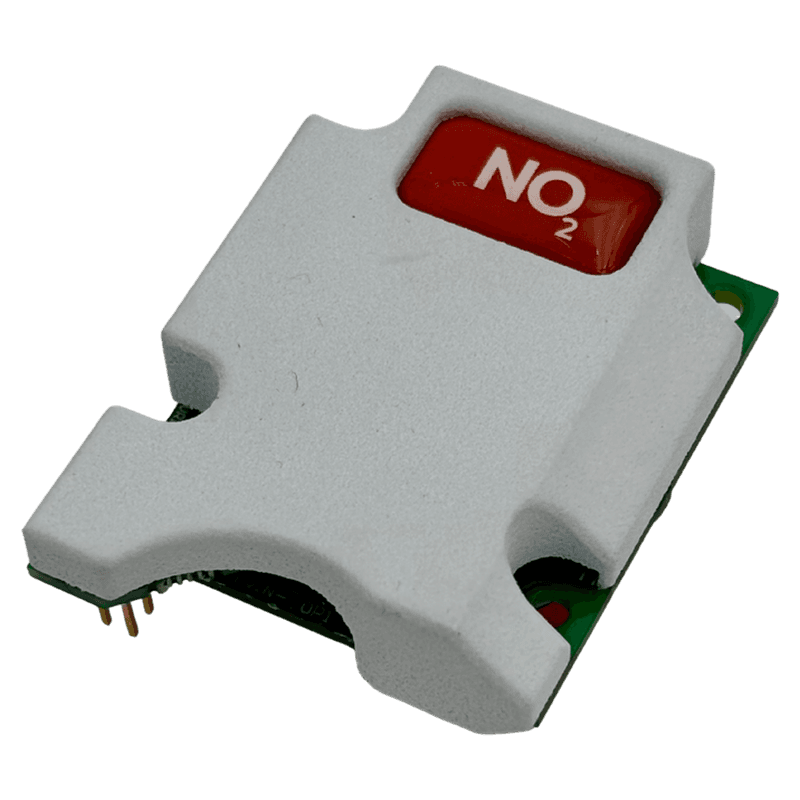
The Nitrogen Dioxide (NO₂) Gas Sensor detects NO₂ levels in real time, supporting air quality monitoring for environmental and urban management applications.
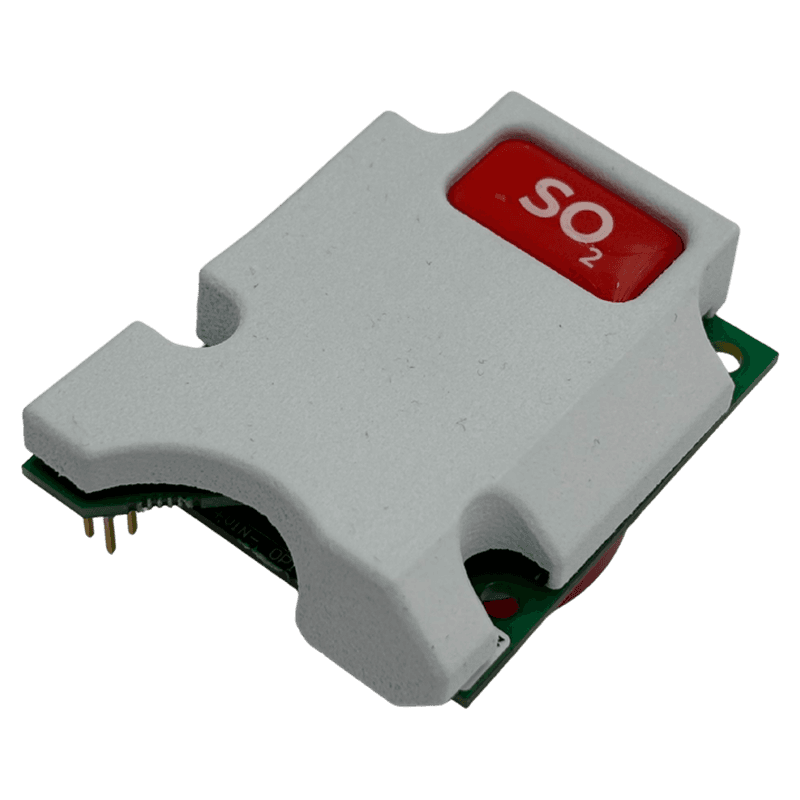
The Sulphur Dioxide (SO2) Gas Sensor is essential for monitoring emissions from ships and industrial sources. Particularly important for port environmental compliance.
Ports are complex emission environments. Ships burning marine fuel generate SO₂, NO₂, and particulate matter at berth and during manoeuvring. Cargo handling operations — loading, unloading, and stockpiling bulk materials — create fugitive dust emissions. Heavy goods vehicles, rail freight, and port machinery add further pollutant loads across facilities that can span several square kilometres.
Communities living near ports bear a disproportionate health burden from these combined emissions. Research consistently links proximity to port operations with elevated rates of respiratory illness, cardiovascular disease, and premature mortality. As a result, port authorities face growing regulatory pressure, tighter environmental permit conditions, and community expectations for transparent environmental management.
The challenge is scale: ports are large, open-air facilities with multiple emission sources that vary by location, time, and operational activity. Traditional reference-grade monitoring stations are expensive (£100,000+ per installation) and provide coverage at only a few fixed points. Effective port monitoring requires a spatially distributed network of sensors that can cover berths, cargo areas, gate entrances, and community boundaries simultaneously.
Sensorbee's Air Pro 2 delivers this capability: solar-powered, cellular-connected monitoring stations measuring SO₂, NO₂, PM, and meteorological parameters — deployable across the entire port footprint without mains power or fixed infrastructure.
The International Maritime Organisation's IMO 2020 regulation reduced the global sulfur limit for marine fuel from 3.5% to 0.5% mass by mass, with Emission Control Areas (ECAs) requiring 0.1% sulfur or lower. In UK waters, the Merchant Shipping (Prevention of Air Pollution from Ships) Regulations 2008 (as amended) enforce these limits. Non-compliant vessels burning high-sulfur fuel produce significantly elevated SO₂ emissions — detectable by shore-based monitoring.
Port-based SO₂ monitoring enables real-time fuel compliance screening:
Each Air Pro 2 monitoring station can be configured with up to six gas sensor modules alongside the standard MCERTS-certified particulate measurement, covering the full range of port-related pollutants:
| Parameter | Sensor | Detection Limit | Port Application |
| SO₂ | SB4252 | 3 ppb | Vessel fuel compliance, ECA enforcement |
| NO₂ | SB4202 | 3 ppb | Ship engine emissions, road freight, port machinery |
| PM1, PM2.5, PM10 | SB4102 | 1 µg/m³ | Cargo dust, vehicle emissions, ship exhaust |
| CO | SB4262 | 10 ppb | Vehicle and machinery emissions at gate areas |
| O₃ | SB4272 | 3 ppb | Photochemical ozone formation in port environs |
| Wind speed & direction | SB3612 | — | Source attribution for all emission events |
The MCERTS-certified Particle Matter Module measures PM1, PM2.5, and PM10 simultaneously — critical for monitoring dust from bulk cargo operations (coal, grain, aggregates, biomass) and combustion-related particulate from ship and vehicle exhausts.
Bulk cargo handling is a significant source of fugitive dust emissions at ports. Loading, unloading, conveying, and stockpiling materials such as coal, iron ore, grain, biomass, and construction aggregates generates PM10 and PM2.5 that can travel well beyond port boundaries on prevailing winds.
Environmental permits for port operations typically include conditions on dust emissions, often specifying boundary monitoring and trigger levels. The IAQM guidance on dust assessment applies to port operations just as it does to construction sites, with the 190 µg/m³ PM10 action level as a common benchmark.
Sensorbee's MCERTS-certified particulate monitoring provides:
Ports present unique monitoring challenges: large operational areas, limited fixed infrastructure at berths and open quaysides, and operational zones that shift as ships arrive and depart. Mains-powered monitoring installations are expensive to deploy and inflexible when monitoring priorities change.
Sensorbee monitoring stations are designed for exactly these conditions:
A typical port monitoring network of 6–12 units provides comprehensive spatial coverage of berths, cargo terminals, gate areas, and community boundaries — at a fraction of the cost of fixed reference stations.
1. Deploy across the port — mount Air Pro 2 stations at berths, cargo handling areas, port gate entrances, and community boundary points. Configure each unit with the gas sensors relevant to its location — SO₂ at berths, PM and NO₂ at cargo terminals, comprehensive monitoring at boundary receptors.
2. Screen vessel compliance — continuous SO₂ monitoring at berths automatically flags abnormal concentration spikes during vessel arrivals and departures. Wind correlation identifies the responsible vessel for port state control follow-up.
3. Monitor cargo dust — MCERTS-certified PM10 and PM2.5 readings at cargo terminals and boundaries provide real-time dust management data. Automated alerts trigger when concentrations approach permit thresholds.
4. Report and engage — generate compliance reports for the Maritime and Coastguard Agency, Environment Agency, and port authority. Publish real-time data to public-facing dashboards to demonstrate environmental responsibility to neighbouring communities.
Port operations often overlap with industrial emissions monitoring at port-adjacent refineries, terminals, and logistics centres. For airports serving as multimodal transport hubs, similar monitoring approaches apply to airport environmental management.
What is IMO 2020 and how does port monitoring help?
IMO 2020 is the International Maritime Organisation regulation that reduced the global sulfur limit for marine fuel from 3.5% to 0.5% (mass by mass), effective 1 January 2020. In Emission Control Areas (ECAs), including the North Sea and English Channel, the limit is 0.1%. Port-based SO₂ monitoring provides a cost-effective way to screen vessel fuel compliance — elevated SO₂ concentrations during vessel arrivals or departures indicate potential non-compliant fuel use, flagging vessels for port state control inspection.
How many monitoring stations does a port need?
The number depends on the port's size, layout, and monitoring objectives. A small commercial port may require 4–6 units to cover key berths and community boundaries. A major container or bulk cargo port may need 8–12 or more for comprehensive spatial coverage. Sensorbee's solar-powered, cellular-connected stations make it cost-effective to deploy dense networks without fixed infrastructure costs.
Can Sensorbee monitor dust from bulk cargo operations?
Yes. The Sensorbee Air Pro 2 with MCERTS-certified Particle Matter Module measures PM1, PM2.5, and PM10 continuously. This covers fugitive dust from all cargo types — coal, grain, aggregates, biomass, and construction materials. Real-time alerts enable operational teams to activate dust suppression measures before boundary concentrations breach permit conditions.
Sensorbee integrates directly with port management systems and regulatory reporting workflows. Download our product catalogue for full specifications, or contact our team to discuss your port monitoring requirements.
Contact our team to discuss your specific monitoring requirements.