Loading...

Airport noise and air quality monitoring for regulatory compliance. Continuous data for Section 106 and EU Noise Directive requirements.
24/7
Continuous Monitoring
Real-time
Instant Alerts
MCERTS
Certified
Audit-ready
Reporting
RECOMMENDED PRODUCTS
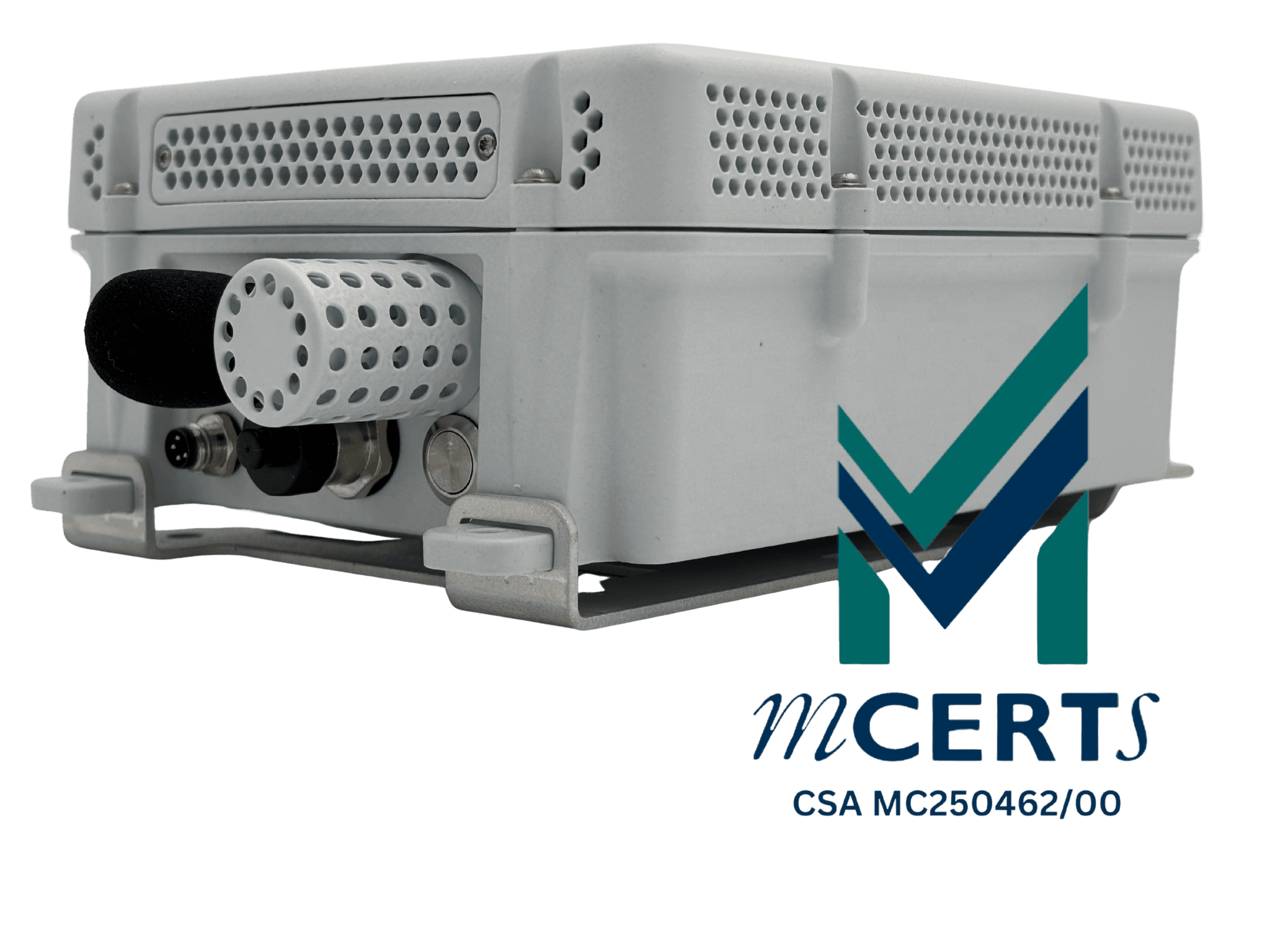
The Sensorbee Air Pro 2 Cellular is a professional air environmental monitoring device. It uses solar power to measure dust, temperature, humidity, and gases. It can connect to extra sensors and shares data via mobile networks. This tool is designed for efficient and eco-friendly monitoring, useful for advanced environmental research and urban management.
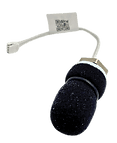
The Sensorbee Sound Level Meter is an add-on product that can be added to the Pro2 unit. It captures real-time noise data with an integrated microphone, analyzes it in A-weighted decibels for human hearing. Configurable alerts and data reporting comply with EU noise regulation directives.
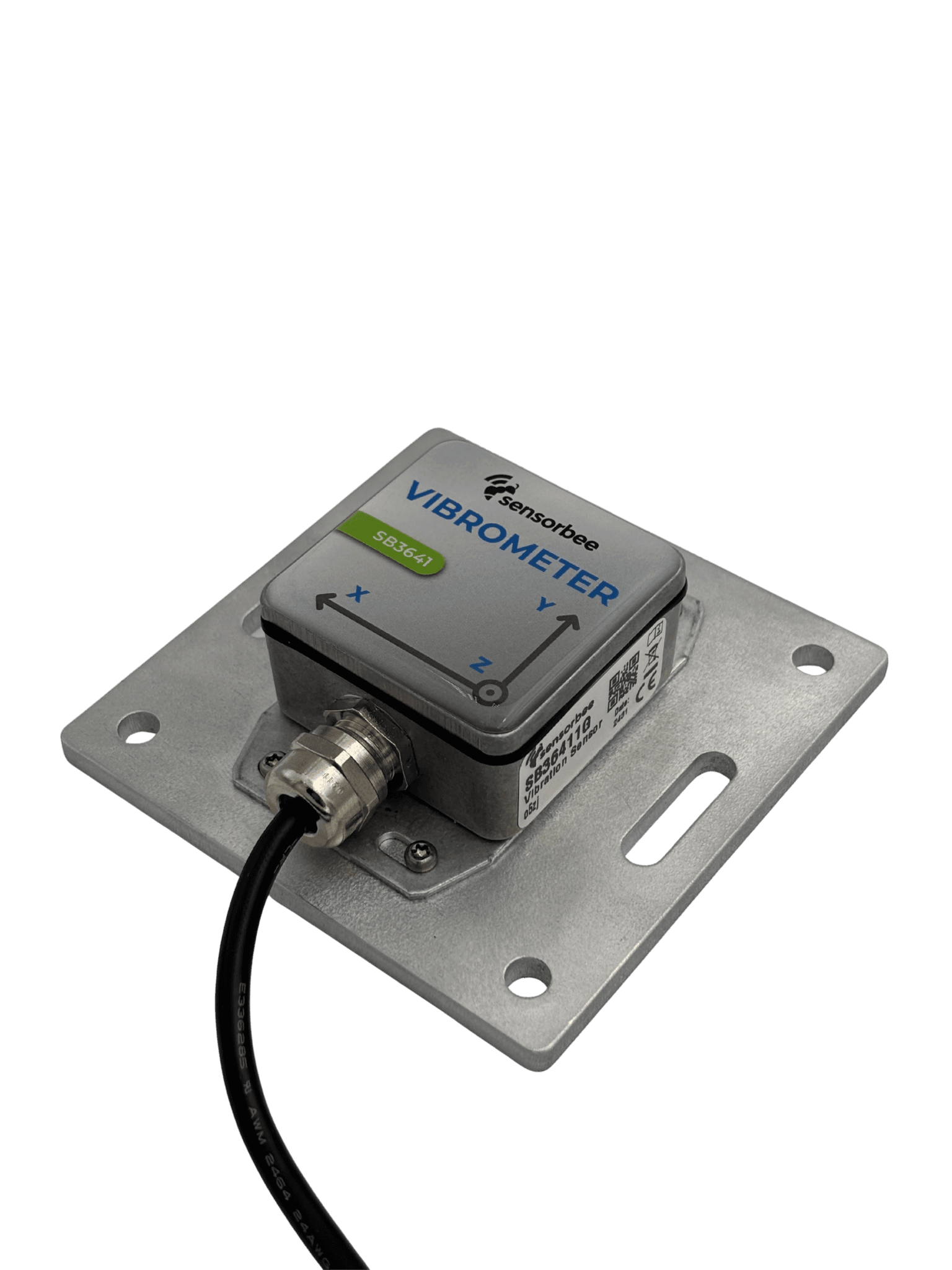
The SB3641 is a durable triaxial vibration sensor for monitoring construction, blasting, and traffic vibrations. It connects seamlessly with the Sensorbee Pro2 base via Modbus RTU and is built for long-term use in harsh environments with its IP67 weatherproof housing. Provides real-time data on Peak Particle Velocity (PPV), Peak Component Particle Velocity (PCPV), and frequency spectrum.
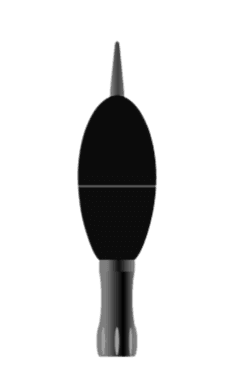
IEC 61672-1 Class 1 sound level meter with stainless steel IP-rated housing. Factory-verified ≤±0.3 dB errors, self-noise <19 dB(A).
Airports operate under some of the most extensive environmental scrutiny of any infrastructure. In the UK, major airports are subject to planning conditions that restrict operating hours, limit aircraft movements, and set noise contour targets — often enforced through Section 106 agreements under the Town and Country Planning Act 1990. The EU Environmental Noise Directive (2002/49/EC), transposed into UK law, requires airports handling more than 50,000 movements per year to produce strategic noise maps and noise action plans.
Community relations are a direct operational concern. Noise complaints from residents under flight paths can influence planning decisions on airport expansion, runway utilisation, and operating hour extensions. Without validated monitoring data, airports cannot demonstrate compliance, resolve complaints objectively, or provide the evidence needed for planning applications.
The challenge extends beyond noise. Ground-level emissions from aircraft taxiing and at idle, ground support equipment (GSE), airside vehicles, and landside traffic generate NO₂, PM2.5, and other pollutants that affect both airport workers and surrounding communities. Local authorities may require air quality monitoring as a condition of planning consent, particularly for airport expansion projects.
Sensorbee's Air Pro 2 addresses both noise and air quality in a single solar-powered device — measuring LAeq, LAFmax, and statistical noise levels alongside MCERTS-certified PM10 and PM2.5, NO₂, and other pollutants. This combined approach eliminates the need for separate noise and air quality monitoring systems.

UK airport noise regulation operates through multiple overlapping frameworks:
Section 106 agreements — Planning consents for airport development and expansion typically include Section 106 obligations that set noise limits, restrict operating hours (commonly no scheduled movements between 23:30 and 06:00), and define noise contour area targets. Compliance requires continuous noise monitoring data from multiple locations around the airport.
EU Environmental Noise Directive (2002/49/EC) — Requires strategic noise mapping using the Lden (day-evening-night) and Lnight indicators for airports above 50,000 movements per year. Noise action plans must be produced and reviewed every five years. While the UK has left the EU, these requirements remain in domestic law through the Environmental Noise (England) Regulations 2006.
Civil Aviation Authority (CAA) — The CAA sets noise certification standards for aircraft types and publishes guidance on noise monitoring methodologies. For designated airports (Heathrow, Gatwick, Stansted), the Department for Transport sets specific noise controls including movement limits and departure noise limits.
Local authority planning conditions — Beyond Section 106, local planning authorities may impose additional noise conditions on airport operations, requiring monitoring at specific receptor points to verify that actual noise levels remain within predicted levels.
The Sensorbee Sound Level Meter module, integrated with the Air Pro 2 base unit, provides the noise metrics required for airport environmental monitoring:
Noise data is transmitted alongside air quality readings through the same Sensorbee cloud platform, providing a unified environmental monitoring record. Airports can correlate noise events with flight tracking data to attribute specific noise levels to individual aircraft movements.
Aircraft engines, particularly during taxiing and at idle power, generate significant ground-level emissions of NO₂, ultrafine particles (PM2.5), and volatile organic compounds. Ground support equipment, airside vehicles, and landside road traffic add further pollutant loads, particularly at terminal curbsides and car parks.
Airport air quality monitoring requirements typically arise from:
The Air Pro 2 supports up to six plug-in gas sensor modules for airport-relevant pollutants:
| Parameter | Application at Airports |
| PM1, PM2.5, PM10 (MCERTS) | Aircraft exhaust particulate, vehicle emissions, construction dust from expansion works |
| NO₂ | Aircraft engine emissions (dominant at idle and taxi), vehicle traffic |
| CO | Vehicle emissions at terminal curbsides and car parks |
| O₃ | Photochemical ozone formation in airport environs |
| VOC | Fuel vapour emissions from refuelling operations and fuel storage |
Traditional airport environmental monitoring requires separate systems for noise and air quality — different suppliers, different power supplies, different data platforms, and different service contracts. This complexity increases cost and makes it harder to build a unified picture of environmental performance.
The Sensorbee Air Pro 2 combines both in a single unit:
For airports with existing noise monitoring terminals (NMTs), Sensorbee stations can complement the fixed network by providing air quality data at the same locations, or by extending monitoring coverage to additional community receptor points without the infrastructure cost of traditional installations.
1. Deploy at key locations — mount Air Pro 2 stations at runway approach and departure paths, community receptor points under flight corridors, ground operations areas, and perimeter boundaries. Configure each unit with noise and air quality sensors appropriate to its location.
2. Monitor continuously — all noise events and air quality readings are logged and transmitted in real time via NB-IoT or LTE-M. No manual data collection, no site visits to download loggers, no gaps in the record.
3. Respond to complaints with data — when a noise complaint is received, retrieve the exact LAeq and LAFmax readings for that time and location within seconds. Validated, timestamped data makes complaint resolution objective and defensible.
4. Report for compliance — generate reports for Section 106 obligations, noise action plans, CAA requirements, and local authority planning conditions. All data is exportable and audit-ready.
Aircraft noise and emissions affect urban air quality across the communities surrounding airports, making coordinated monitoring essential. Airport expansion and development works require construction-phase environmental monitoring for dust, noise, and vibration compliance under BS 5228 and BS 7385.
What noise metrics do airports need to report?
UK airports typically report LAeq for long-term average assessments (used for noise contour production and Lden/Lnight strategic mapping), LAFmax for individual aircraft event assessments (used for departure noise limits at designated airports), and statistical levels (L10, L90) for characterising the noise climate at community receptors. The Sensorbee Sound Level Meter provides all of these metrics continuously.
Do airports need MCERTS-certified air quality monitoring?
MCERTS certification is not universally required for airport air quality monitoring, but it is increasingly specified in planning conditions for airport expansion projects. MCERTS-certified data carries greater weight in planning inquiries and environmental impact assessments. The Sensorbee Air Pro 2 is MCERTS-certified for PM10 and PM2.5, providing certified particulate data alongside gas measurements.
Can Sensorbee replace existing noise monitoring terminals?
Sensorbee stations can complement or supplement existing NMT networks. For airports that need to extend monitoring coverage to new community receptor points, add air quality measurement at existing noise locations, or provide temporary monitoring for runway or route changes, the solar-powered Air Pro 2 offers a rapid and cost-effective deployment option without the infrastructure costs of traditional permanent installations.
How does Sensorbee handle ground vibration from aircraft?
The Sensorbee Vibration Sensor (SB3641) measures triaxial vibration with Peak Particle Velocity (PPV) and frequency analysis to BS 7385-1 and BS 6472-1. This is relevant for airports where ground-borne vibration from aircraft operations or construction works affects neighbouring properties. The vibration sensor connects to the same Air Pro 2 base unit, providing noise, air quality, and vibration data from a single monitoring point.
Sensorbee integrates with existing airport management systems and public information portals. Download our product catalogue for full specifications, or contact our team to discuss your airport monitoring requirements.
Contact our team to discuss your specific monitoring requirements.