
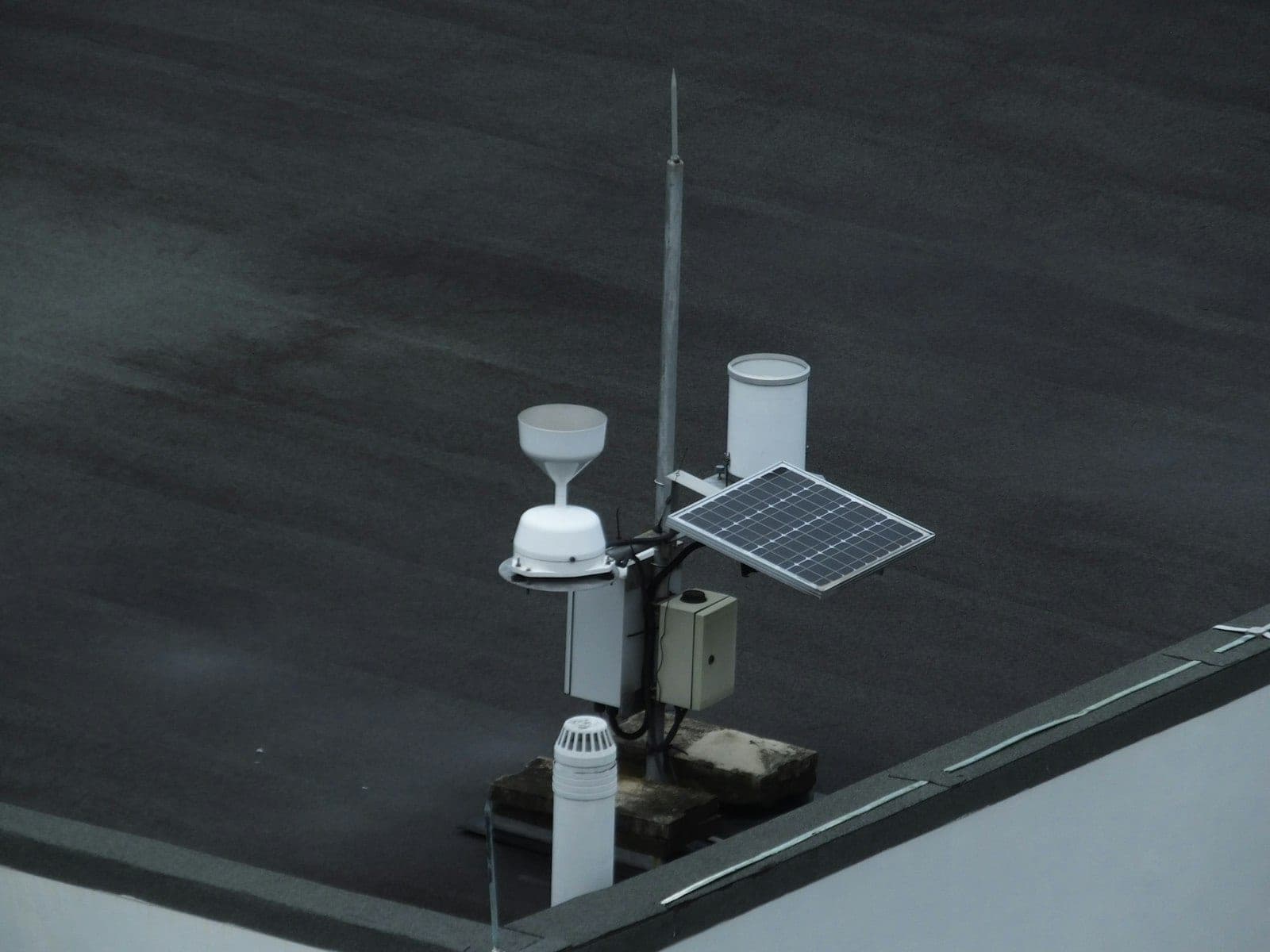
IoT Environmental Data Logging: How Connected Sensors Transform Remote Monitoring
How IoT data loggers with NB-IoT and LTE-M connectivity enable remote environmental monitoring. Solar-powered, multi-sensor deployment explained.
Technical guides on environmental monitoring — how sensors work, what regulations require, and how to deploy monitoring systems effectively.

How IoT data loggers with NB-IoT and LTE-M connectivity enable remote environmental monitoring. Solar-powered, multi-sensor deployment explained.

Practical guide to monitoring PM1, PM2.5, PM10 and TSP. Measurement methods, UK limits, MCERTS certification and construction dust compliance.

Guide to construction vibration monitoring: PPV limits, BS 7385 thresholds, and sensor placement. Monitor dust, noise and vibration from one device.

Guide to construction noise monitoring: LAeq, LAFmax, BS 5228 compliance and Section 61 consent. Automated monitoring for dust, noise and vibration.

How NO2 is measured in ambient air: electrochemical vs reference methods, UK limits and Clean Air Zones. Deploy solar-powered NO2 monitoring today.

Why nitric oxide monitoring matters alongside NO2. Learn about the NOx cycle, industrial NO sources, and how combined NO/NO2 data improves emissions analysis.

Guide to ground-level ozone monitoring: formation chemistry, UV and electrochemical sensors, UK DAQI thresholds, and multi-parameter O3 measurement.

How to monitor sulphur dioxide from industrial and shipping sources. SO2 sensor technology, UK limits, IMO regulations, and port monitoring explained.

How ambient CO2 is measured outdoors using NDIR sensors. Applications from GHG baselines to urban monitoring and ventilation assessment.

Ambient carbon monoxide monitoring explained: UK exposure limits, electrochemical sensor technology, and when CO monitoring is needed for tunnels, car parks, and industry.

How electrochemical H2S sensors detect hydrogen sulphide at ppb levels for odour monitoring at landfills, wastewater plants, and industrial boundaries.

Practical guide to ambient VOC monitoring. PID vs MOx sensors, TVOC measurement, UK regulations, and fenceline applications for industrial and refinery sites.

Guide to ammonia monitoring: agricultural NH3 emissions, electrochemical sensor technology, UK Clean Air Strategy targets and environmental compliance.

Why meteorological data matters for environmental monitoring. Temperature, humidity and pressure affect sensor accuracy, pollutant dispersion and compliance.

How wind speed and direction monitoring supports dust management, source attribution and compliance. Ultrasonic sensors for construction and industry.
Explore our range of environmental monitoring products or contact us to discuss your requirements.