Loading...
SB3612
OVERVIEW
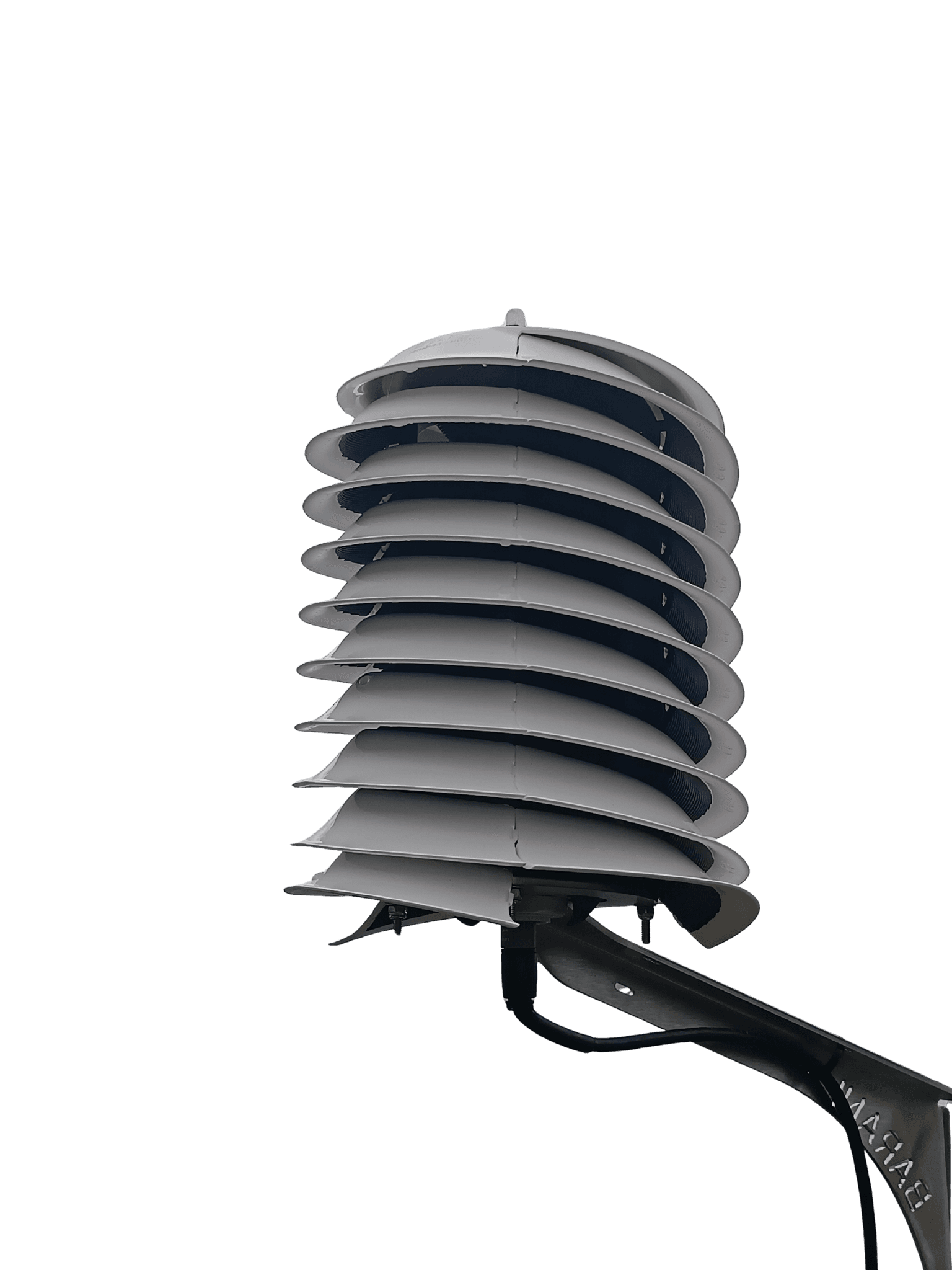
Wind speed and direction data transforms air quality measurements from isolated concentration readings into actionable environmental intelligence. Without wind data, a pollution spike is just a number — with it, you can identify the source direction, predict downwind impact, and validate dispersion model outputs. The Sensorbee Wind Sensor uses ultrasonic technology to measure wind speed from 0.5 to 45 m/s and direction to ±1° accuracy, with no moving parts to maintain, calibrate, or replace. This maintenance-free design integrates with the Air Pro 2 platforms to add meteorological context to every environmental monitoring station.
CAPABILITIES
Ultrasonic measurement — no moving parts to maintain
Wind speed 0–45 m/s with 1% RMS accuracy
Direction accuracy ±1° RMS at 10 m/s
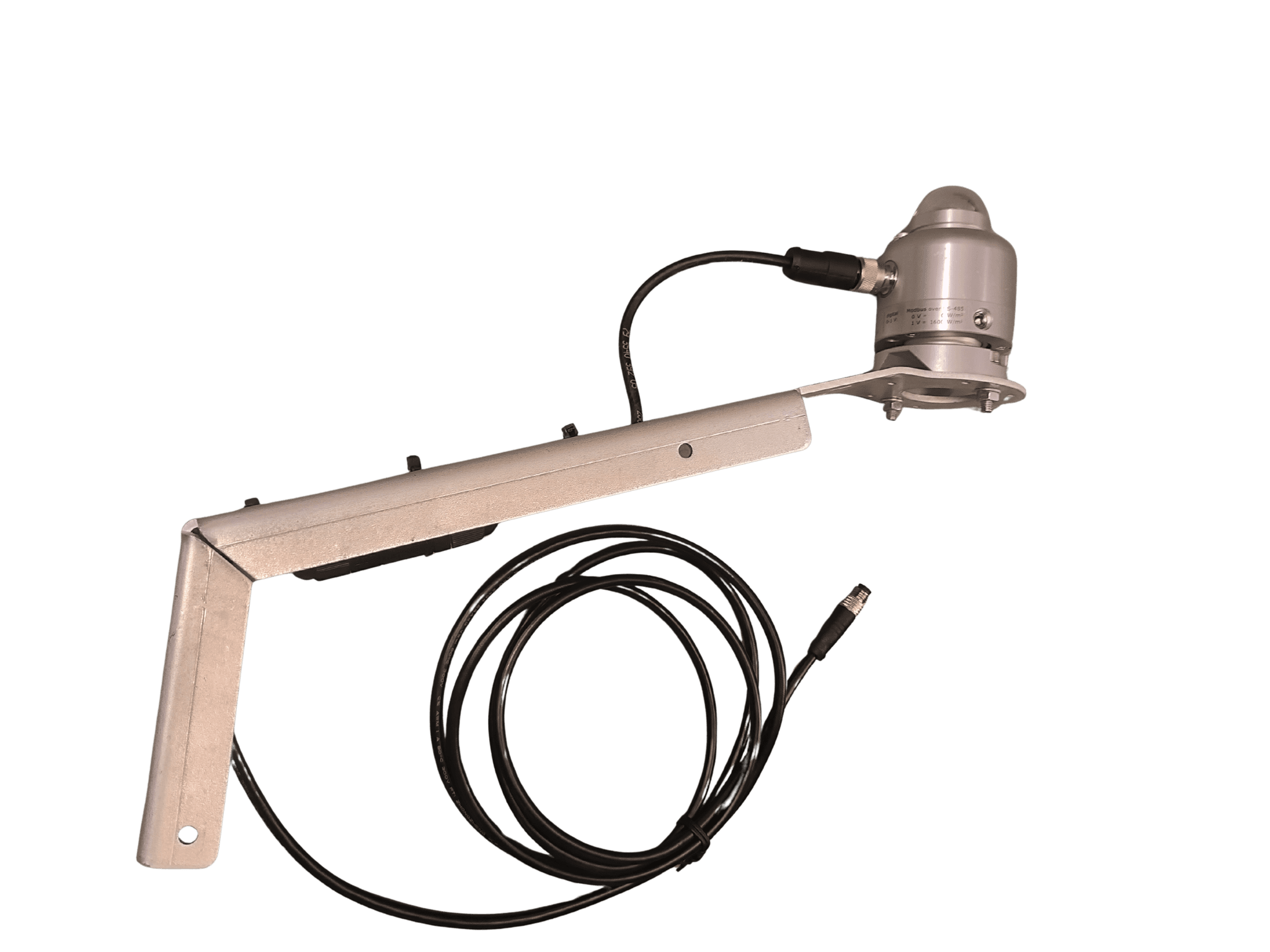
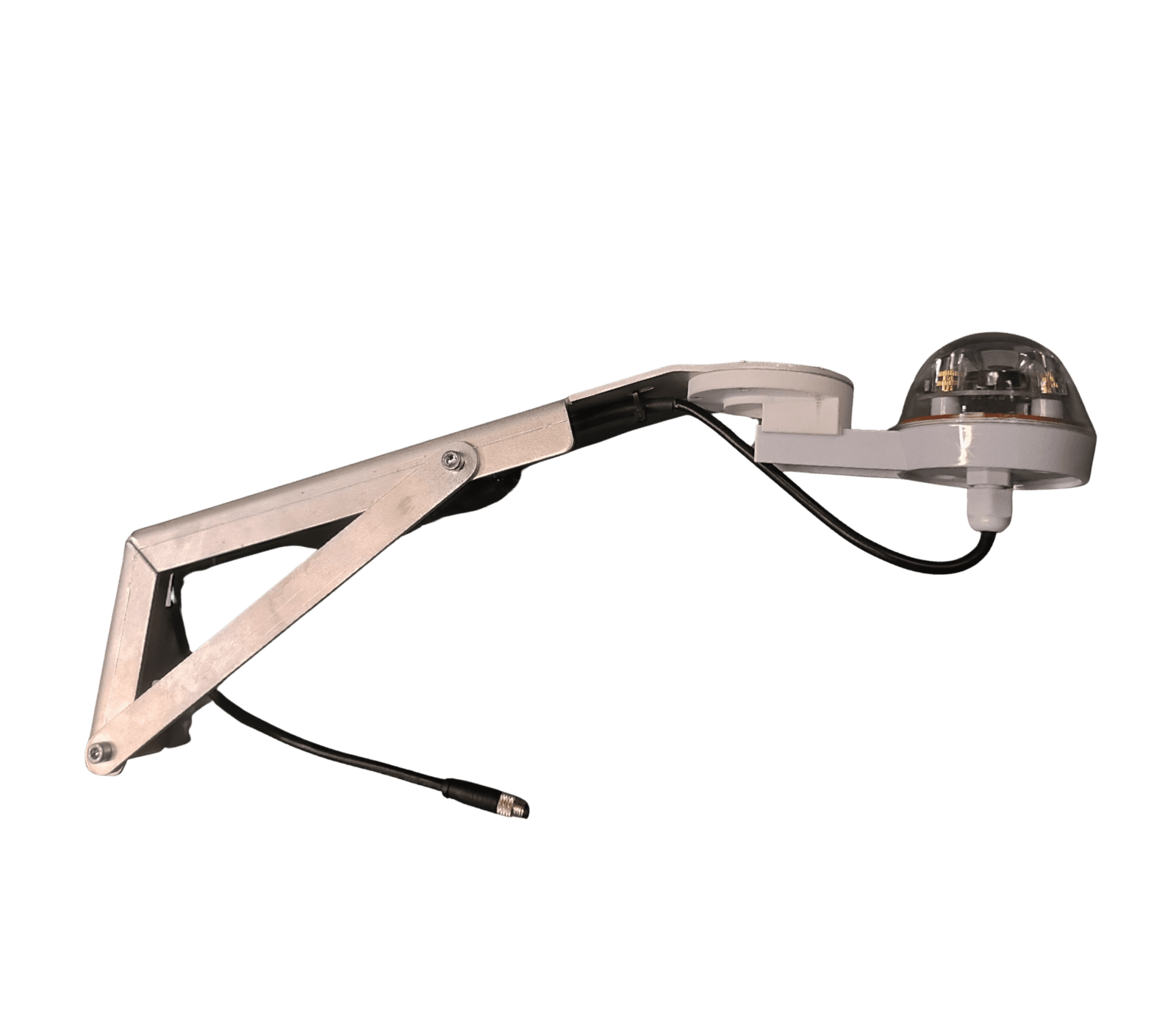
Universal pole/wall mounting with included brackets
Compatible with the Air Pro 2 platform
>2 year operational life
SPECIFICATIONS
| Wind Speed Range | 0.5 to 45 m/s |
| Wind Accuracy | 0.10 m/s, 1% RMS at 10 m/s |
| Threshold | 0.5 m/s |
| Direction Accuracy | +/-1 deg RMS at 10 m/s |
| Dimensions | 330 x 65 x 230 mm |
| Weight | 450 gram |
| Operating Temperature | -15 to +55 C |
| Operating Humidity | 0 to 100 %RH |
| Operational Life | >2 Years |
| Mounting | Universal wall/pole bracket, 2x hose clamps included |
The wind sensor uses ultrasonic transit-time measurement. Pairs of ultrasonic transducers mounted at fixed positions emit sound pulses alternately in both directions along each measurement axis. Wind flowing along the path speeds up the sound pulse travelling downwind and slows the pulse travelling upwind. The difference in transit times between the two directions is directly proportional to the wind speed component along that axis.
By measuring transit times along two perpendicular horizontal axes, the sensor resolves both wind speed and direction simultaneously — without the mechanical bearings, cups, and vanes that conventional anemometers require. This is the fundamental advantage of ultrasonic wind measurement: no moving parts means no wear, no friction-related threshold effects, and no maintenance beyond keeping the transducer faces clear.
Wind measurement serves several critical functions in environmental monitoring:
The sensor delivers 1% RMS accuracy at 10 m/s reference speed, with 0.10 m/s absolute accuracy at low wind speeds. Direction accuracy is ±1° RMS at 10 m/s. These specifications support the meteorological data quality requirements of environmental monitoring programmes and dispersion modelling applications.
The 0–45 m/s wind speed range covers all operational conditions from calm air through gale-force winds. The 1 m/s threshold — the minimum wind speed the sensor can measure — is lower than many cup anemometers, which typically require 0.5–2 m/s to overcome bearing friction and begin rotating. While the ultrasonic threshold is electronically defined rather than mechanically limited, it ensures reliable readings above the noise floor.
Traditional cup anemometers and wind vanes contain bearings, rotating assemblies, and mechanical components that wear over time, accumulate contamination, and require periodic recalibration. In harsh environments — coastal sites, industrial areas, construction zones — mechanical wind sensors may require maintenance every 6–12 months.
The ultrasonic wind sensor eliminates these maintenance requirements entirely:
This makes the sensor particularly suitable for remote, difficult-to-access, or high-volume deployment locations where minimising site visits reduces operational costs.
The wind sensor connects to the Air Pro 2 base stations via the included mounting hardware and cable interface. Wind data is logged alongside air quality, noise, and vibration measurements, creating an integrated environmental dataset where every pollution measurement has its meteorological context.
On the Sensorbee Cloud, wind data enables:
Mount the wind sensor at the recommended height above obstructions using the included universal bracket and hose clamps. Standard meteorological practice recommends mounting at 10 metres above ground in open terrain, but site-specific constraints at construction sites and industrial facilities often dictate lower mounting heights.
Position the sensor away from buildings, trees, and structures that create turbulence or shadow wind from certain directions. The sensor should have clear exposure to wind from all directions, with no obstruction closer than 10 times the obstruction height.
Connect the cable to the Air Pro 2 base station. The platform automatically recognises the sensor and begins logging wind data. No software configuration, orientation calibration, or compass alignment is required — the sensor's directional reference is set during manufacture.
The wind sensor (SB3612) measures wind speed and direction only. The wind and rain combo sensor (SB3602) adds infrared optical rainfall measurement. Choose the combo if your monitoring programme requires precipitation data; choose the wind-only sensor if rainfall measurement is not needed and you want the lighter 450 g unit versus the 950 g combo.
Ultrasonic sensors offer no-maintenance operation, no moving parts to wear, and consistent accuracy over their operational life. Cup anemometers may offer marginally lower starting thresholds (0.3–0.5 m/s vs 1 m/s) but require periodic bearing maintenance and recalibration. For environmental monitoring applications, the ultrasonic sensor's maintenance-free operation typically outweighs the small threshold difference.
Heavy ice accumulation on the transducer faces can affect ultrasonic measurement. In environments with frequent icing conditions, periodic inspection during winter months is recommended. The sensor is designed for -15 to +55°C operation and handles rain, moisture, and condensation without issue.
Standard meteorological measurement specifies 10 metres. Construction sites and industrial facilities often mount at 3–6 metres due to practical constraints. Lower mounting heights are acceptable but should be noted in monitoring reports as they may not represent the wider wind field.
Yes — the wind sensor can be added to any deployed Air Pro 2 station. Connect the sensor cable, mount at an appropriate height, and the base station begins logging wind data alongside existing measurements.
MORE PRODUCTS
Speak to our technical team about specifications, site suitability, and pricing.