Loading...

MCERTS-certified PM10 and PM2.5 dust monitoring for UK construction sites. IAQM action level alerts, Section 61 reporting, audit-ready compliance data.
24/7
Continuous Monitoring
Real-time
Instant Alerts
MCERTS
Certified
Audit-ready
Reporting
RECOMMENDED PRODUCTS
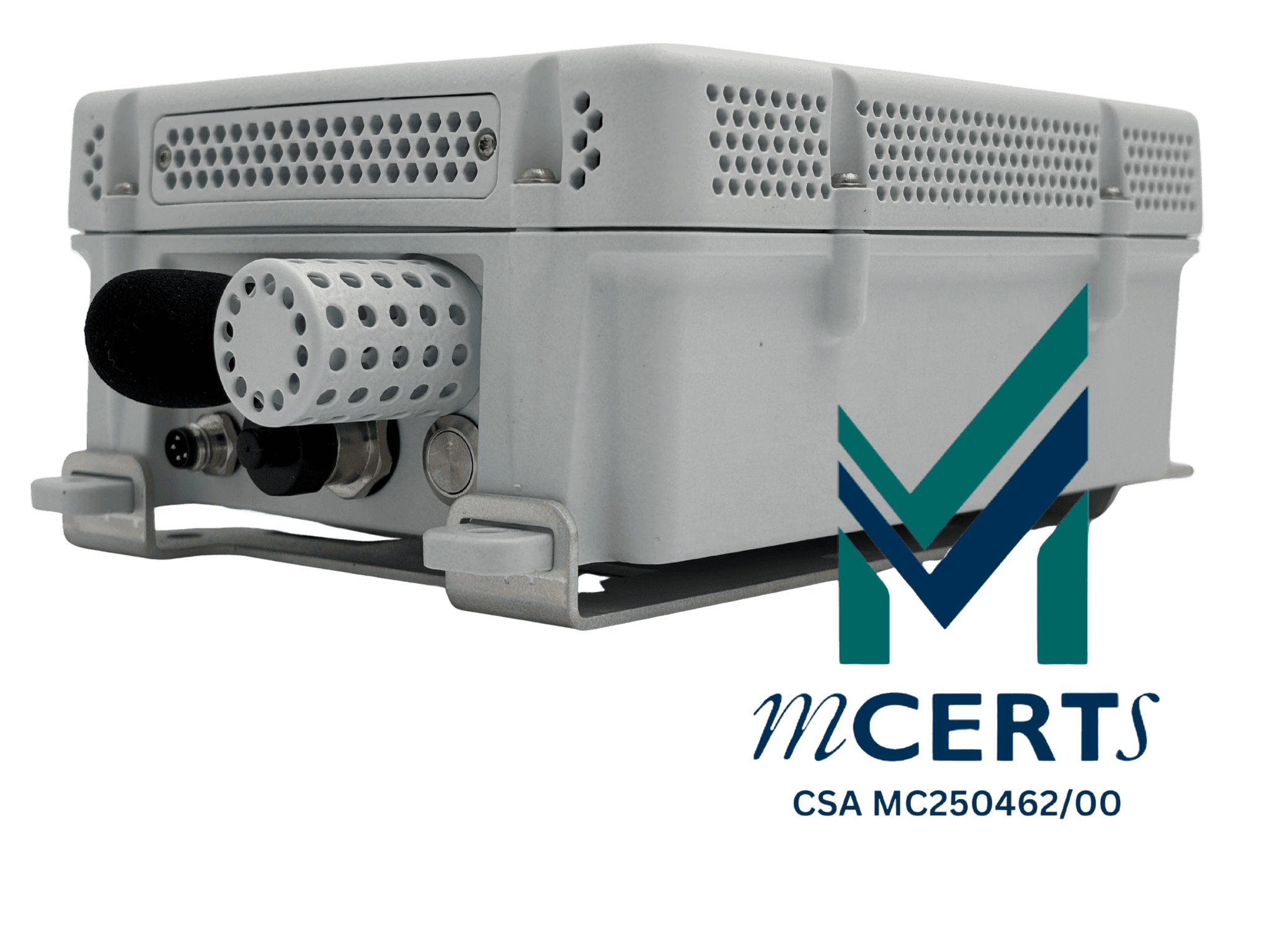
The Sensorbee Air Pro 2 Cellular is a professional air environmental monitoring device. It uses solar power to measure dust, temperature, humidity, and gases. It can connect to extra sensors and shares data via mobile networks. This tool is designed for efficient and eco-friendly monitoring, useful for advanced environmental research and urban management.
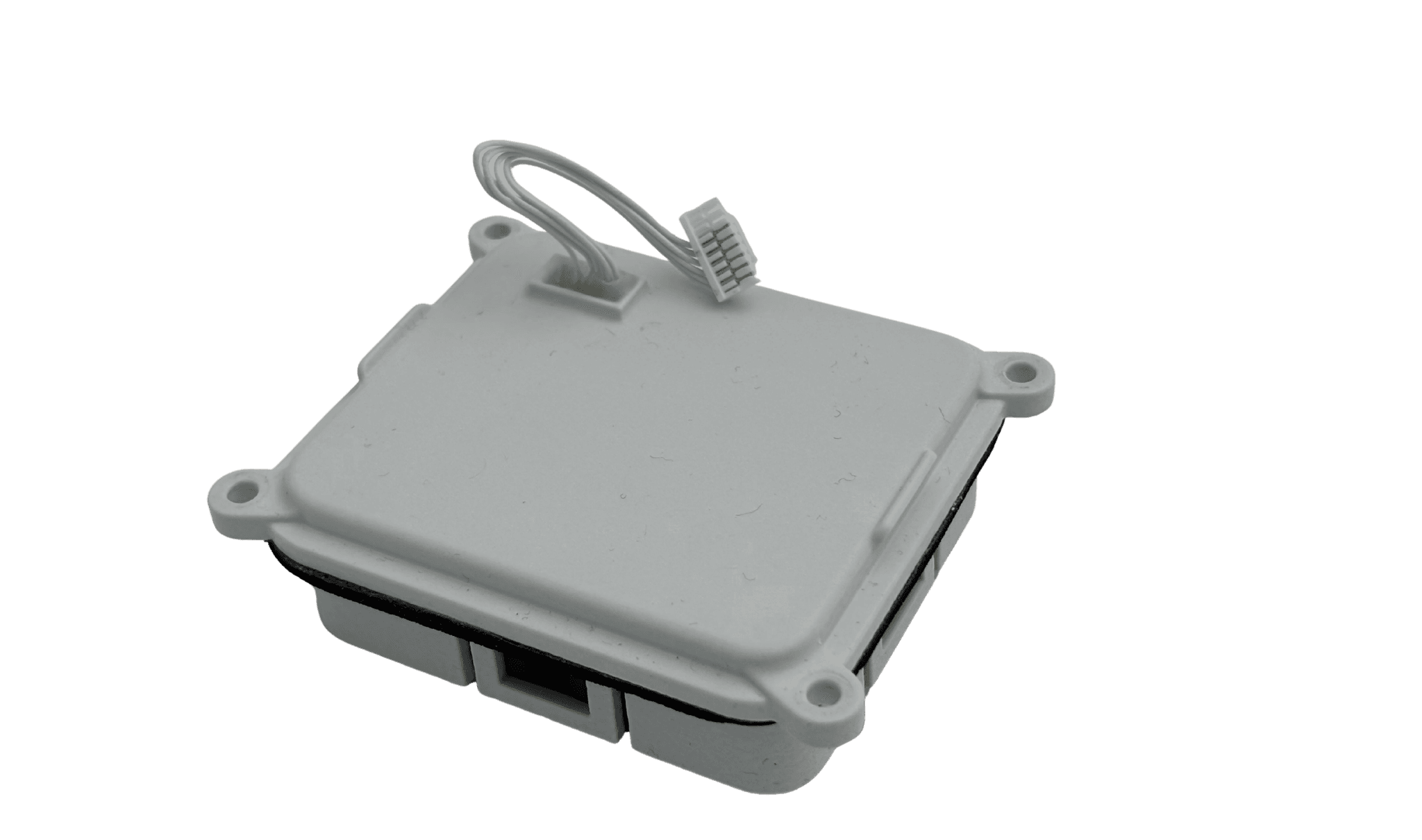
The Particle Matter Module is a rugged high accuracy sensor built for outdoor use. It has a high air flow rate for robust PM10 readings, as well as a heating element that helps improve accuracy in high humidity situations. Each module is individually 3-point calibrated and shipped with its own calibration certificate.
Construction dust is one of the most heavily regulated environmental impacts in the UK. The Institute of Air Quality Management (IAQM) Guidance on the Assessment of Dust from Demolition and Construction (2014, updated 2023) requires every developer to assess dust risk and implement monitoring where the site is classified as medium or high risk. For sites within 350 metres of sensitive receptors — schools, hospitals, residential properties — continuous boundary monitoring is increasingly a planning condition rather than a recommendation.
The IAQM defines the critical PM10 action level at 190 µg/m³ as a 1-hour mean at the site boundary. Exceedance can trigger enforcement action, neighbour complaints, and project delays costing thousands of pounds per day. Sites must also track PM2.5 for health-related assessments, particularly near residential receptors.
For a comprehensive overview of particulate matter in the UK — including PM2.5 and PM10 health effects, legal limits, and measurement methods — see our monitoring guide.
The Sensorbee Particle Matter Module (SB4102) is MCERTS-certified for PM10 and PM2.5 indicative ambient monitoring (Certificate No: CSA MC250462/00). It plugs into the Air Pro 2 station and measures PM1, PM2.5, and PM10 simultaneously with:
Key dust monitoring capabilities:
Dust data from the Sensorbee cloud platform exports directly into Section 61 compliance reports, providing the evidential chain that planning authorities require.
1. Deploy at sensitive receptors — mount the Air Pro 2 with the MCERTS Particle Module at each boundary location defined in your dust management plan. Connect the solar panel and the unit begins transmitting data immediately via NB-IoT or LTE-M.
2. Set IAQM-aligned thresholds — configure alert levels in the Sensorbee cloud platform: the IAQM 190 µg/m³ PM10 action level, planning-condition limits, and any project-specific receptor sensitivity bands.
3. Monitor and respond in real time — view live readings on a single dashboard. Receive automated alerts the moment PM10 approaches its threshold, giving site managers time to implement dust suppression — water bowsers, screening, modified work methods — before a breach occurs.
4. Report with confidence — generate audit-ready compliance reports with timestamped, MCERTS-certified data. Export directly for Section 61 submissions, planning authority reviews, or community liaison meetings.
Construction dust monitoring on urban projects often intersects with broader urban air quality monitoring duties, particularly near Clean Air Zones where roadside PM and NO₂ are already elevated.
What dust monitoring is required on UK construction sites?
The IAQM Guidance on the Assessment of Dust from Demolition and Construction requires a dust risk assessment for every site. Medium and high-risk sites — typically those within 350 metres of sensitive receptors — need continuous PM10 monitoring at site boundaries. Many local planning authorities now make MCERTS-certified monitoring a condition of consent. The critical action level is 190 µg/m³ PM10 as a 1-hour mean.
Do I need MCERTS-certified dust monitoring?
MCERTS certification is not universally mandatory, but it is increasingly required by planning conditions and Environment Agency guidance. MCERTS-certified data carries significantly more weight in regulatory proceedings and dispute resolution. The Sensorbee Particle Matter Module is MCERTS-certified (Certificate No: CSA MC250462/00) and validated against the reference-grade Fidas 200S system at the London Teddington Bushy Park monitoring station.
Can the sensor handle high-concentration dust events?
Yes. Peer-reviewed validation shows the Sensorbee Particle Module remains linear up to 1,400 µg/m³ PM10 — far above the standard 190 µg/m³ action level — so dust spikes from demolition or earthworks are captured accurately, not clipped.
How does Sensorbee handle humidity and fog?
The MCERTS Particle Module has a heated inlet that activates above 60% relative humidity, preventing the false positives that plague uncorrected optical particle counters in foggy, damp, or condensing conditions common on UK construction sites.
Download the Sensorbee product catalogue for full Particle Matter Module specifications, or contact our team to discuss your site monitoring requirements.
Contact our team to discuss your specific monitoring requirements.