Loading...
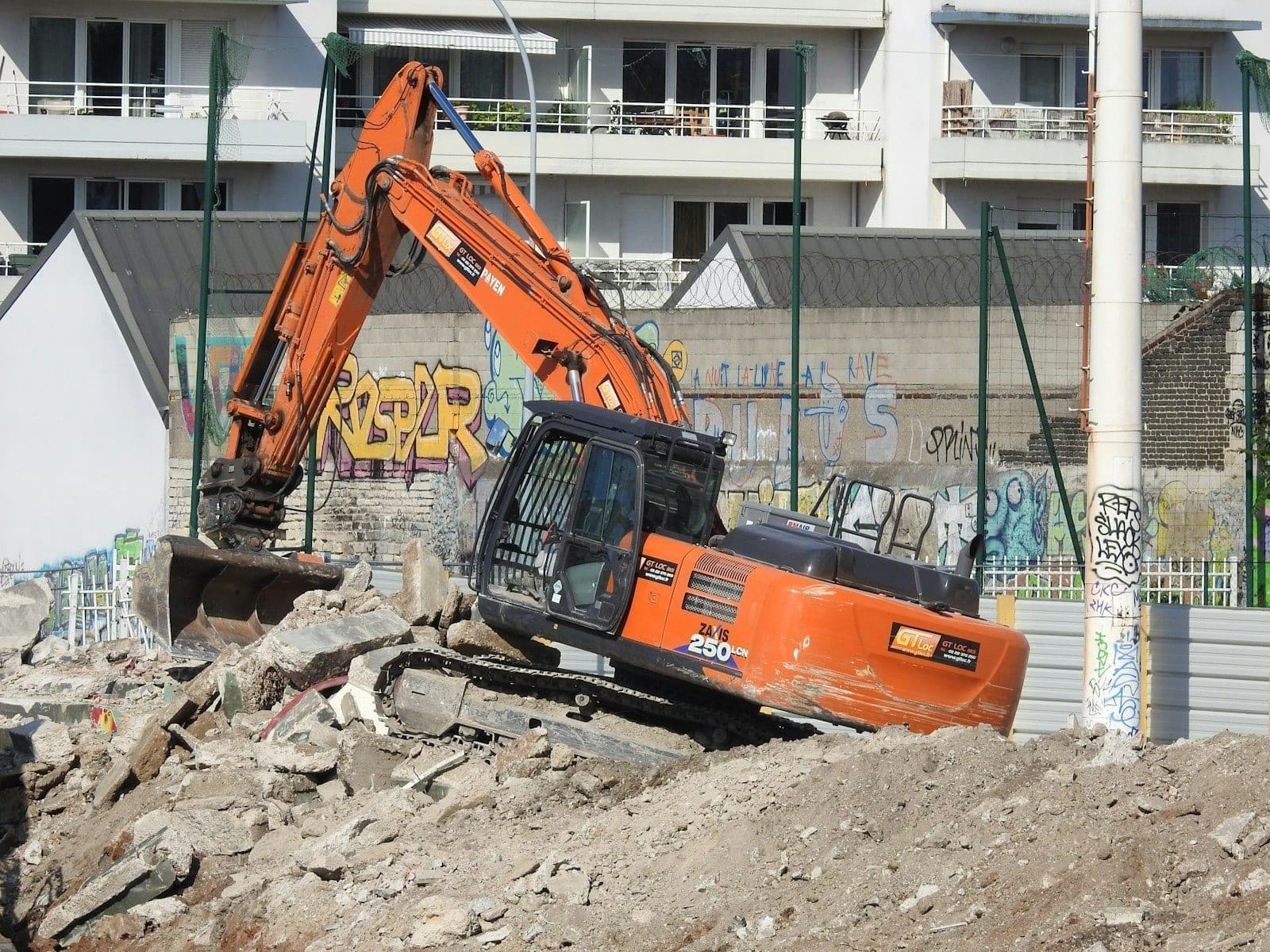
Class 1 noise monitoring for UK construction sites. BS 5228 LAeq, LAFmax, and statistical Ln metrics. Real-time alerts and Section 61 reporting.
24/7
Continuous Monitoring
Real-time
Instant Alerts
MCERTS
Certified
Audit-ready
Reporting
RECOMMENDED PRODUCTS
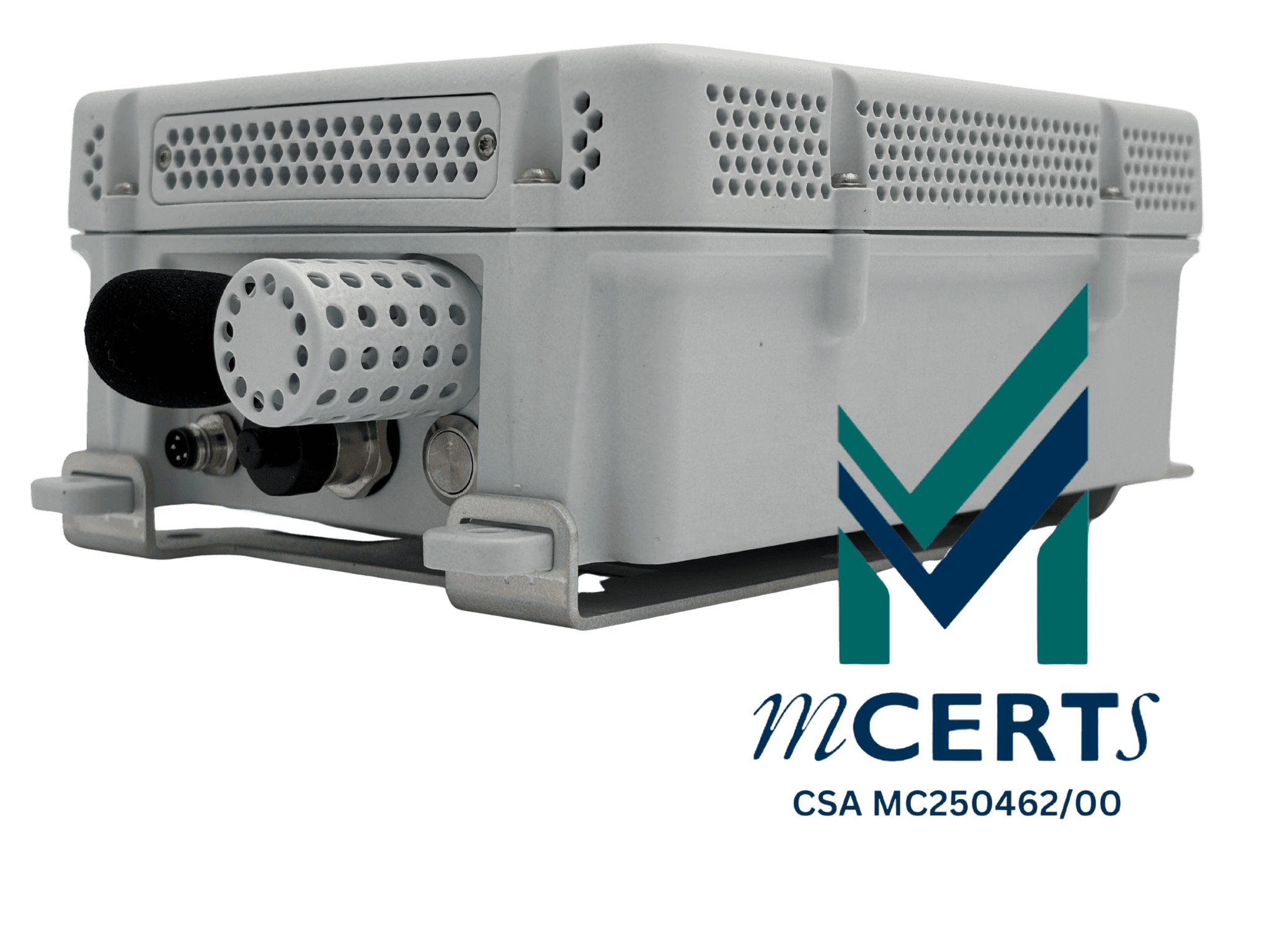
The Sensorbee Air Pro 2 Cellular is a professional air environmental monitoring device. It uses solar power to measure dust, temperature, humidity, and gases. It can connect to extra sensors and shares data via mobile networks. This tool is designed for efficient and eco-friendly monitoring, useful for advanced environmental research and urban management.
The Sensorbee Sound Level Meter is an add-on product that can be added to the Pro2 unit. It captures real-time noise data with an integrated microphone, analyzes it in A-weighted decibels for human hearing. Configurable alerts and data reporting comply with EU noise regulation directives.
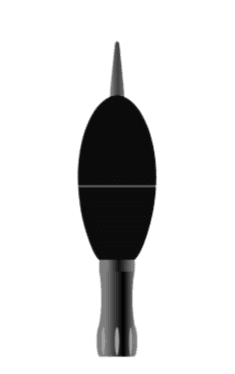
IEC 61672-1 Class 1 sound level meter with stainless steel IP-rated housing. Factory-verified ≤±0.3 dB errors, self-noise <19 dB(A).
Construction noise is one of the most common sources of community complaint in the UK, and noise breaches of Section 61 consent conditions can trigger enforcement action, injunctions, and project delays costing thousands of pounds per day.
BS 5228-1:2009+A1:2014 (Code of Practice for Noise and Vibration Control on Construction and Open Sites) is the primary standard governing construction noise in England and Wales. It defines the ABC method for setting noise limits based on existing ambient conditions, with typical daytime thresholds of 65–75 dB LAeq,T depending on the noise climate at sensitive receptors.
Section 61 of the Control of Pollution Act 1974 lets local authorities impose prior consent conditions on construction works — specifying acceptable noise levels, permitted working hours, measurement positions, and reporting intervals. Many councils now require continuous monitoring with timestamped, audit-ready data as a default consent condition.
For a detailed walk-through of BS 5228 noise metrics and Section 61 reporting, see our monitoring guide.
The Sensorbee Class 1 Noise Sensor (SB4651) is a precision sound level meter built for continuous construction site deployment. It delivers every metric BS 5228 assessments require:
All noise data transmits in real time alongside dust and vibration readings through the same cloud dashboard — eliminating separate noise loggers, standalone data downloads, and manual site visits.
1. Survey sensitive receptors — identify the residential, school, hospital, or office receptors around your site boundary and the BS 5228 ABC-derived noise limits agreed in your Section 61 consent.
2. Deploy at receptor lines — mount the Air Pro 2 with the Class 1 Noise Sensor at each consent monitoring position. Connect the solar panel and the unit begins transmitting noise data immediately via NB-IoT or LTE-M.
3. Set time-of-day thresholds — configure separate alert levels for daytime, evening, and night-time/weekend working windows in the Sensorbee cloud platform, matching your consent schedule.
4. Monitor and respond — view live LAeq, LAFmax, and statistical data on a single dashboard. Receive automated SMS or email alerts the moment noise approaches a consent threshold, giving site managers time to adjust working methods, switch off equipment, or pause noisier operations.
5. Report with confidence — generate audit-ready noise reports with timestamped, Class 1 data. Export directly for Section 61 submissions, planning authority reviews, and community liaison meetings.
What are the BS 5228 noise limits for construction?
BS 5228-1 does not set fixed limits. Instead, it provides the ABC method for determining acceptable noise levels based on the existing ambient noise climate at receptors. Typical daytime thresholds for residential areas fall between 65 and 75 dB LAeq,T. Specific limits are set by the local authority as part of Section 61 prior consent conditions, often with lower thresholds for evenings, weekends, and night-time working.
What does "Class 1" mean for a sound level meter?
Class 1 refers to IEC 61672-1 — the international standard for sound level meter precision. Class 1 instruments are accurate to within ±1 dB(A) across the audible spectrum, suitable for regulatory enforcement and legal proceedings. Class 2 instruments (±2 dB tolerance) are intended for general surveys and are not always acceptable for Section 61 compliance reporting.
Do I need LAFmax in addition to LAeq?
Yes — most Section 61 conditions reference both. LAeq tells you the average noise level over the consent period (e.g. 1 hour, 12 hours, 24 hours). LAFmax tells you the peak event level — critical for impact piling, dropped materials, and reversing alarms. The Sensorbee Class 1 Noise Sensor records both continuously, with statistical Ln levels for additional context.
Can I monitor noise and vibration from the same Section 61 consent?
Yes. The Sensorbee Air Pro 2 Cellular base station accepts the Class 1 Noise Sensor alongside the Vibration Sensor and the MCERTS Particle Matter Module — all on a single solar-powered unit with one cloud dashboard for unified BS 5228 and BS 7385 reporting.
Download the Sensorbee product catalogue for full Class 1 Noise Sensor specifications, or contact our team to discuss noise monitoring on your site.
Contact our team to discuss your specific monitoring requirements.