Loading...
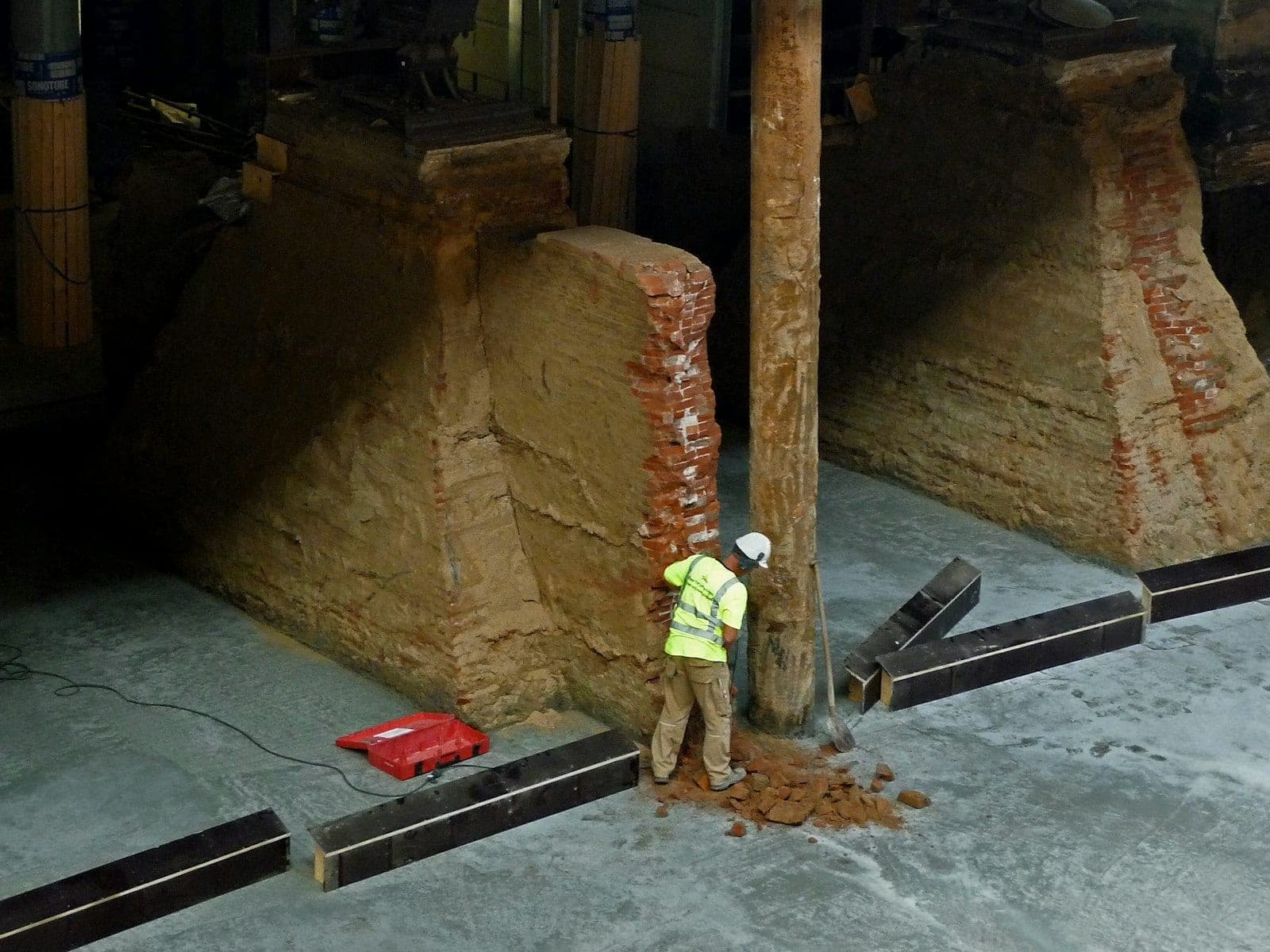
Triaxial PPV vibration monitoring for UK construction sites. BS 7385-compliant PPV, PCPV, FFT — for piling, demolition, and earthworks compliance.
24/7
Continuous Monitoring
Real-time
Instant Alerts
MCERTS
Certified
Audit-ready
Reporting
RECOMMENDED PRODUCTS
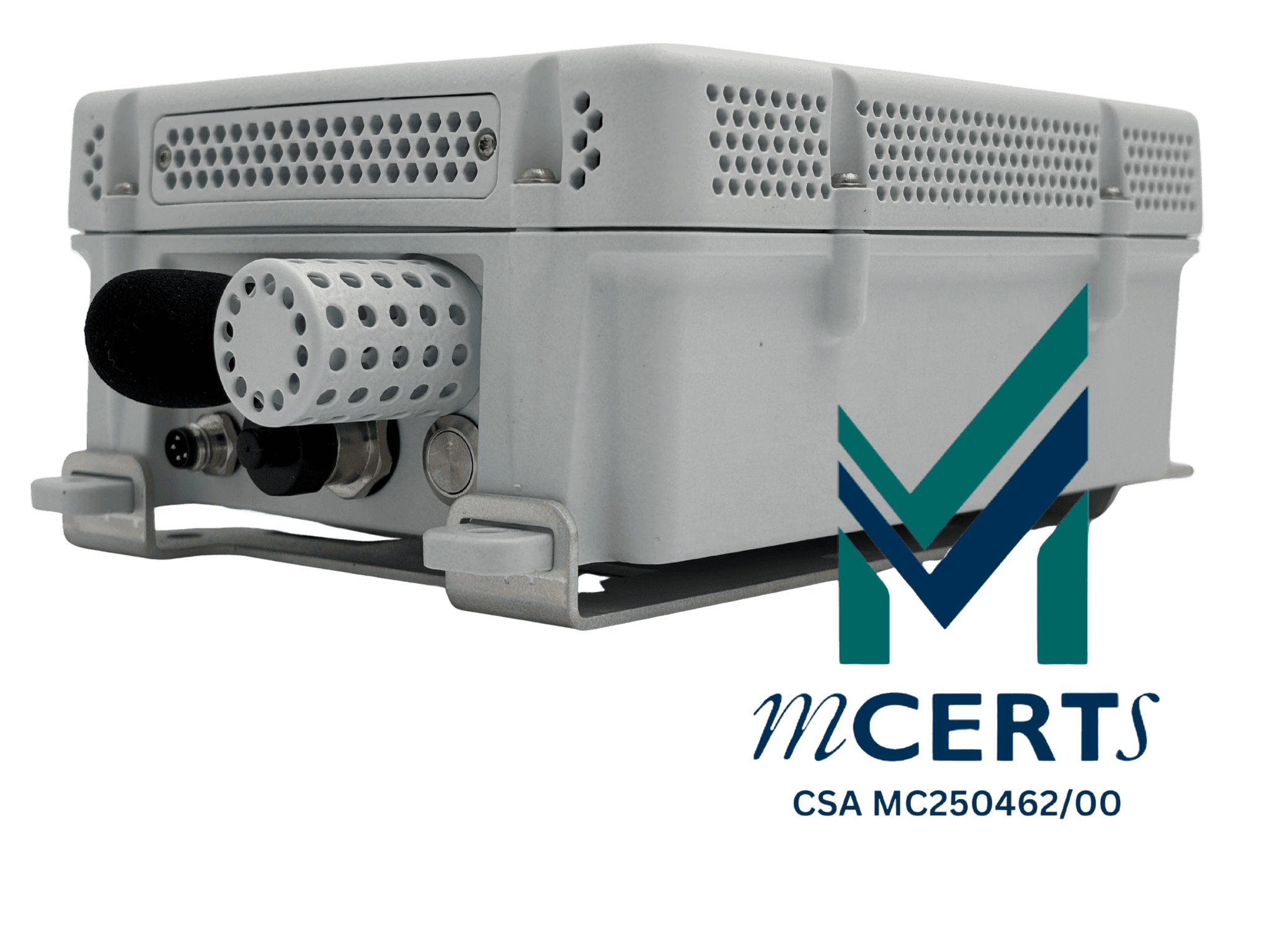
The Sensorbee Air Pro 2 Cellular is a professional air environmental monitoring device. It uses solar power to measure dust, temperature, humidity, and gases. It can connect to extra sensors and shares data via mobile networks. This tool is designed for efficient and eco-friendly monitoring, useful for advanced environmental research and urban management.
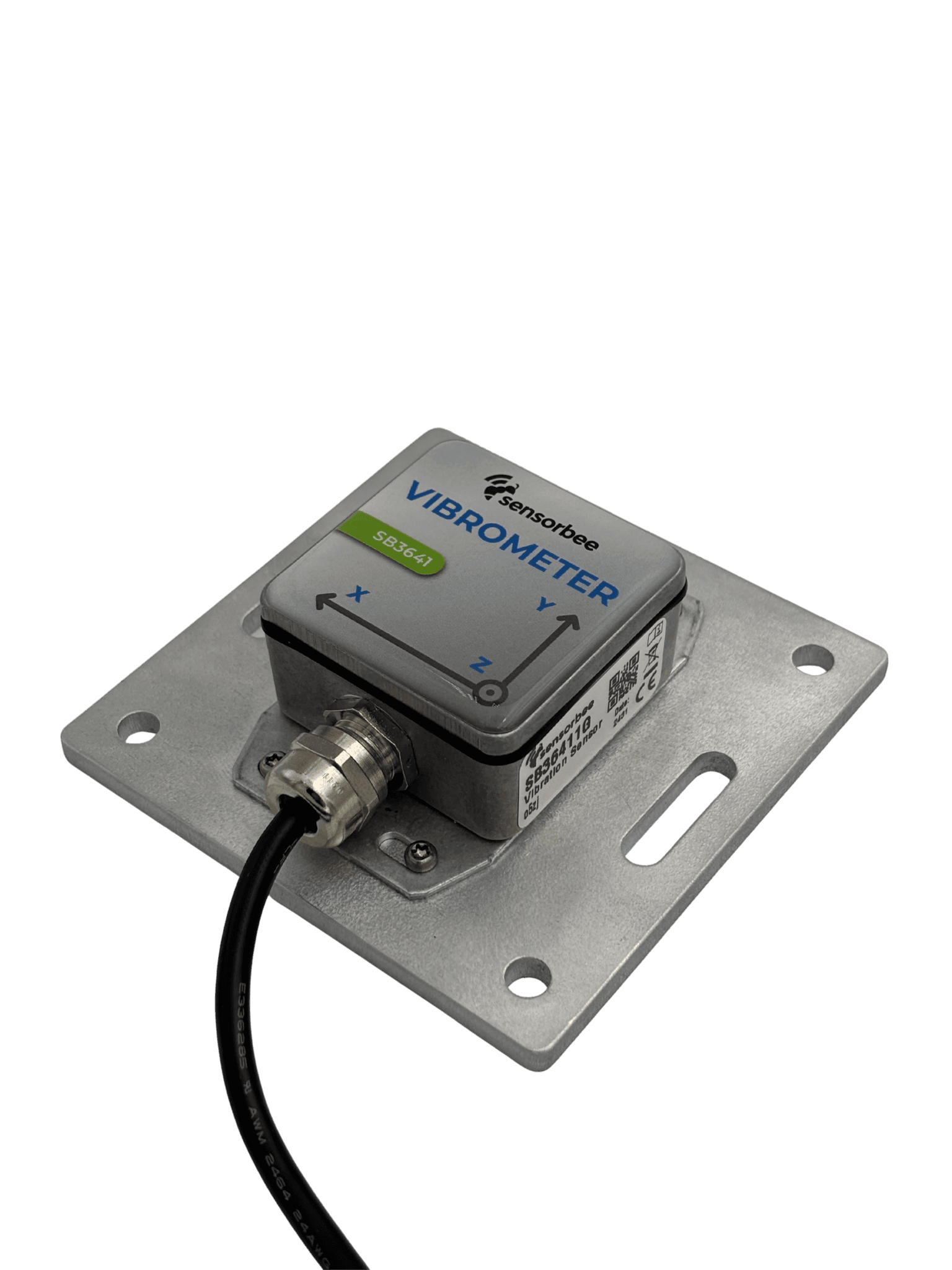
The SB3641 is a durable triaxial vibration sensor for monitoring construction, blasting, and traffic vibrations. It connects seamlessly with the Sensorbee Pro2 base via Modbus RTU and is built for long-term use in harsh environments with its IP67 weatherproof housing. Provides real-time data on Peak Particle Velocity (PPV), Peak Component Particle Velocity (PCPV), and frequency spectrum.
Ground vibration from construction activities — piling, demolition, compaction, and heavy vehicle movements — can cause cosmetic cracking, structural damage, and disturbance complaints from neighbouring occupants. Without continuous monitoring, contractors discover problems only after the damage is done, often facing dilapidation claims and project suspension.
BS 7385-2:1993 (Evaluation and Measurement for Vibration in Buildings — Part 2: Guide to Damage Levels from Groundborne Vibration) provides guide values expressed as Peak Particle Velocity (PPV). The thresholds depend on building type and vibration frequency:
| Building Type | PPV Guide Value |
| Reinforced or framed structures (industrial / commercial) | 50 mm/s at 4 Hz, rising to 50 mm/s at 40 Hz and above |
| Unreinforced or light-framed structures (residential) | 15 mm/s at 4 Hz, rising to 20 mm/s at 15 Hz and 50 mm/s at 40 Hz and above |
BS 6472-1:2008 additionally defines vibration dose values (VDV) for human comfort in buildings. Even vibration well below structural damage thresholds — as low as 0.3 mm/s — can generate complaints if residents perceive repeated events during sensitive hours.
For a detailed explanation of construction vibration monitoring methods and BS 7385 application, see our guide.
The Sensorbee Vibration Sensor (SB3641) is a triaxial MEMS accelerometer designed for ground-level deployment on UK construction sites. It provides every metric BS 7385 assessments require:
The sensor's real-time PPV reporting means site managers know immediately when vibration approaches the BS 7385-2 guide values applicable to neighbouring buildings — allowing them to adjust pile-driving rhythm, switch to alternative methods, or pause operations before damage occurs.
1. Survey neighbouring structures — identify the building types adjacent to your works (residential, commercial, listed) and the applicable BS 7385-2 PPV guide values for each.
2. Deploy at structures of concern — mount the Vibration Sensor at ground level near each receptor. Connect via Modbus to the Air Pro 2 base station with its solar panel — no mains power, no Wi-Fi, no electrician.
3. Set BS 7385-aligned thresholds — configure PPV alert levels in the Sensorbee cloud platform per receptor: 15 mm/s for residential, 50 mm/s for industrial, or custom values agreed with the local authority.
4. Monitor and respond — view live PPV and PCPV readings on the dashboard. Receive automated alerts the moment vibration approaches the guide value, with peak frequency analysis to apply the correct band of BS 7385-2.
5. Report with confidence — export timestamped PPV, PCPV, and frequency data for Section 61 returns, planning compliance, and any dilapidation defence file you may need.
What PPV limits apply to construction vibration under BS 7385?
BS 7385-2 provides guide values expressed as Peak Particle Velocity (PPV). For residential properties (unreinforced or light-framed structures), the guide value is 15 mm/s at 4 Hz, rising to 50 mm/s at frequencies above 40 Hz. For industrial and commercial buildings, the guide value starts at 50 mm/s. These are cosmetic damage thresholds — human perception of vibration occurs at much lower levels (typically 0.3 mm/s), which is why community complaints often arise well before any structural risk.
Do I need to measure peak frequency, not just PPV?
Yes — for proper BS 7385-2 application. The guide values are frequency-dependent: a 15 mm/s reading at 4 Hz is at the residential limit, but the same PPV at 40 Hz is well within tolerance. The Sensorbee Vibration Sensor provides FFT peak frequency on every measurement, ensuring you apply the correct band of the standard.
Can I monitor vibration and dust from the same site?
Yes. The Sensorbee Air Pro 2 Cellular base station accepts the Vibration Sensor alongside the MCERTS Particle Matter Module and the Class 1 Noise Sensor — all parameters on a single solar-powered unit with one cloud dashboard.
What happens during sustained heavy vibration events?
The sensor's 4,096 Hz sampling captures every peak. PPV and PCPV are calculated continuously, so even short-duration impact events from piling or heavy vehicle movements are recorded accurately. Real-time alerts trigger immediately when a configured threshold is approached.
Download the Sensorbee product catalogue for full Vibration Sensor specifications, or contact our team to discuss vibration monitoring on your site.
Contact our team to discuss your specific monitoring requirements.