
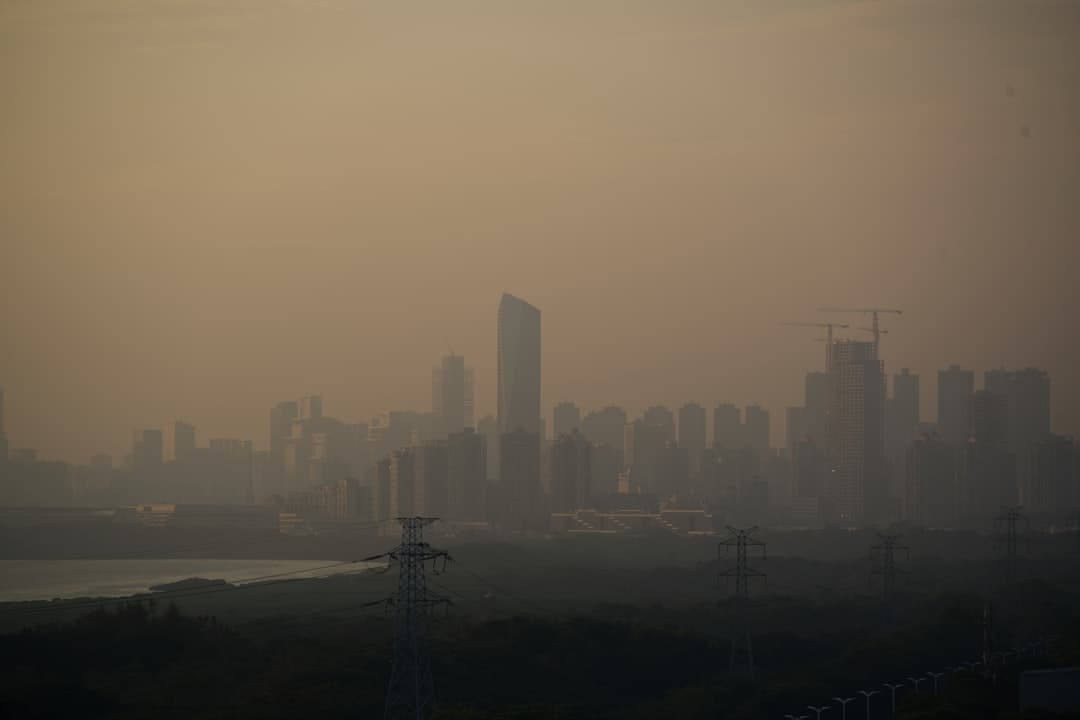
Posted by Elixer Rodil on · 11 min read
Air pollution is the single largest environmental health risk in the world today. The World Health Organization estimates that ambient (outdoor) air pollution causes 4.2 million premature deaths globally each year, driven primarily by exposure to fine particulate matter (PM2.5). When household air pollution from cooking fuels is included, the combined toll reaches 8.1 million deaths annually, according to the State of Global Air 2024 report — making air pollution the second leading risk factor for death worldwide, surpassed only by high blood pressure.
These are not abstract statistics from distant countries. In the United Kingdom, the Committee on the Effects of Air Pollutants (COMEAP) estimates that air pollution contributes to between 28,000 and 36,000 deaths per year. The effects of air pollution reach across respiratory and cardiovascular health, child development, ecosystem integrity, agricultural productivity, and the structural condition of buildings and infrastructure.
Understanding these effects is not an academic exercise. It is the foundation for effective policy, targeted monitoring, and ultimately the protection of human health and the natural environment.
The Scale of the Problem
The health and environmental burden of air pollution is enormous in both human and economic terms. The Royal College of Physicians' landmark report Every Breath We Take estimated that air pollution costs the UK economy more than £20 billion per year in health damage, a figure updated to over £27 billion in the College's 2025 assessment, encompassing healthcare costs, lost working days, and reduced productivity.
Globally, the WHO reports that 99% of the world's population breathes air exceeding its guideline levels. Within Europe, 96% of urban residents are exposed to PM2.5 above the WHO annual guideline of 5 µg/m³.
The burden falls disproportionately. Lower-income communities near busy roads, industrial zones, and freight corridors experience higher pollution exposure than wealthier areas. In the UK, areas of greater deprivation consistently show higher concentrations of NO₂ and PM2.5 — reflecting decades of planning decisions that concentrated transport infrastructure near less desirable housing.
For environmental consultants, local authorities, and site operators, these figures represent the context in which every monitoring programme and air quality assessment sits.
Respiratory Effects
The respiratory system is the first point of contact between air pollutants and the human body, and it bears the greatest burden of harm.
Fine particulate matter (PM2.5) is the most damaging pollutant to the lungs. Particles smaller than 2.5 micrometres bypass the nose and upper airways, penetrating deep into the bronchioles and alveoli. Ultrafine particles (smaller than 0.1 micrometres) can cross the alveolar membrane and enter the bloodstream directly. This deep penetration causes inflammation, reduces lung function, and triggers or worsens a range of respiratory conditions. Our particulate matter monitoring guide explains how PM1, PM2.5, and PM10 are measured and why particle size matters.
Nitrogen dioxide (NO₂), produced primarily by road traffic and combustion processes, inflames the lining of the airways. Even short-term exposure at elevated concentrations increases susceptibility to respiratory infections, while long-term exposure is associated with the development of asthma and chronic obstructive pulmonary disease (COPD). The health evidence underpinning NO₂ regulation is covered in our NO₂ monitoring guide.
Ground-level ozone (O₃), formed when sunlight reacts with NO₂ and volatile organic compounds, is a potent oxidant that damages lung tissue. Prolonged exposure reduces lung function and triggers asthma attacks, even in individuals not previously diagnosed with respiratory disease.
The UK has one of the highest asthma rates in Europe, with approximately 5.4 million people receiving treatment. Air pollution is a well-established trigger for asthma attacks and a contributor to its development in children. COPD, the fourth leading cause of death worldwide, is accelerated by chronic exposure to PM2.5 and NO₂ — even moderate pollution episodes can trigger exacerbations requiring hospitalisation.
The link between air pollution and lung cancer was established definitively in 2013, when the International Agency for Research on Cancer (IARC) classified outdoor air pollution as a Group 1 carcinogen — the same category as tobacco smoke and asbestos. Particulate matter was separately classified as Group 1. Long-term exposure to PM2.5 concentrations above WHO guidelines increases lung cancer risk even among non-smokers.
Cardiovascular Effects
The cardiovascular effects of air pollution are less widely understood than respiratory effects, but the mortality impact is arguably greater. The majority of the 4.2 million annual deaths attributed to ambient air pollution are cardiovascular rather than respiratory.
When PM2.5 particles reach the alveoli, they trigger a systemic inflammatory response. Ultrafine particles that cross into the bloodstream directly damage blood vessel walls, promote the formation of arterial plaques (atherosclerosis), and increase blood clotting tendency. These mechanisms raise the risk of heart attacks and strokes.
Long-term exposure to PM2.5 above the WHO annual guideline of 5 µg/m³ is associated with increased cardiovascular mortality. The relationship is linear — there is no safe threshold below which PM2.5 has no cardiovascular effect.
Short-term exposure matters too. Studies have demonstrated measurable increases in hospital admissions for heart attacks and strokes during PM2.5 spikes lasting just 24 to 48 hours. This is particularly relevant for construction monitoring and industrial sites, where dust-generating activities can create localised PM2.5 peaks that affect surrounding communities.
Effects on Children and Vulnerable Groups

Children are not simply small adults when it comes to air pollution exposure. They breathe more rapidly relative to their body weight, spend more time outdoors during active play, and their lungs, brains, and immune systems are still developing. This combination makes them uniquely vulnerable to the effects of polluted air.
Lung development. Children exposed to elevated PM2.5 and NO₂ during their first years of life show measurably reduced lung growth. Studies of schoolchildren near busy roads in London have found lung capacity deficits of up to 5% compared to children in cleaner areas. This deficit does not resolve in adulthood — it represents a permanent reduction in respiratory reserve that increases vulnerability to lung disease later in life.
Asthma. Air pollution is both a trigger for existing childhood asthma and a contributing factor in its development. A landmark study published in The Lancet Planetary Health estimated that 33% of childhood asthma cases in the UK could be attributable to air pollution exposure.
Birth outcomes. Pregnant women exposed to elevated air pollution show higher rates of low birth weight, preterm delivery, and restricted foetal growth. PM2.5 exposure during pregnancy is associated with increased risk of pre-eclampsia.
The elderly. Older adults with pre-existing cardiovascular or respiratory conditions face amplified risks. The combination of age-related decline in lung function, existing disease, and pollution exposure creates a compounding effect that drives the high proportion of air pollution deaths among people aged over 65.
Neurological effects. Emerging evidence links long-term PM2.5 exposure to cognitive decline in older adults and increased risk of dementia. The biological mechanisms — systemic inflammation and direct particle translocation to the brain via the olfactory nerve — are biologically plausible and supported by animal studies.
Effects on the Environment
The effects of air pollution extend well beyond human health. Ecosystems, agriculture, water quality, and the climate are all directly affected by the pollutants released into the atmosphere.
Acid rain. Sulphur dioxide (SO₂) and nitrogen oxides (NOx) react with water vapour in the atmosphere to form sulphuric and nitric acids, which fall as acid rain. This acidifies soils and freshwater lakes, damages forest canopies, and leaches essential nutrients from the ground. Although SO₂ emissions in the UK have declined substantially since the 1980s, acid deposition remains a concern in sensitive upland areas. Our SO₂ monitoring guide explains the sources and measurement of this pollutant.
Eutrophication. Excess nitrogen deposition from NOx emissions acts as a fertiliser, promoting the growth of fast-growing, nitrogen-tolerant plant species at the expense of slower-growing species adapted to nutrient-poor conditions. This process simplifies ecosystems and reduces biodiversity. In the UK, nitrogen deposition is a significant threat to heathlands, peatlands, and species-rich grasslands — habitats that support a wide range of wildlife.
Ground-level ozone and crop damage. Ozone at ground level is toxic to plants as well as to humans. It damages leaf tissues, reduces photosynthesis, and stunts growth. The European Environment Agency estimates that ground-level ozone causes over EUR 1 billion in crop yield losses across Europe each year, affecting wheat, tomatoes, soybeans, and other staple crops. Our ozone monitoring guide covers the formation mechanisms and monitoring approaches for this secondary pollutant.
Climate forcing. Black carbon, a component of PM2.5 produced by incomplete combustion of diesel fuel, biomass, and coal, is the second most important climate-forcing agent after carbon dioxide. It absorbs sunlight in the atmosphere and, when deposited on snow and ice, accelerates melting by reducing surface reflectivity. Reducing black carbon emissions delivers both immediate air quality benefits and near-term climate benefits.
Biodiversity loss. The combined effects of acid rain, nitrogen deposition, and ozone damage create cumulative stress on ecosystems. In nitrogen-saturated habitats, specialist species are displaced by generalist species, reducing ecological diversity. Lichens, highly sensitive to SO₂ and NO₂, have long served as biological indicators of air quality — their decline in urban areas is directly attributable to pollution.
Effects on Buildings and Infrastructure
Air pollution causes measurable damage to the built environment, particularly to historic buildings and monuments constructed from limestone, sandstone, and marble.
Stone erosion. Acid deposition from SO₂ and NOx attacks calcium carbonate in limestone and sandstone, dissolving the surface and causing progressive erosion. Many of the UK's most significant heritage buildings — cathedrals, government buildings, and historic monuments — show visible damage from decades of acid rain exposure. While SO₂ levels have fallen dramatically, the accumulated damage persists, and NOx-driven acid deposition continues.
Soiling and material degradation. Particulate matter deposited on building surfaces causes discolouration, darkening facades and increasing maintenance costs. Air pollution also accelerates the corrosion of metals, degradation of painted surfaces, and deterioration of concrete.
For construction projects near listed buildings, churches, or other heritage structures, monitoring ambient pollution levels and managing dust emissions is both a regulatory requirement and a practical necessity. Real-time particulate monitoring provides the evidence needed to demonstrate that construction activities are not causing unacceptable additional damage.
Why Monitoring Matters
The health and environmental evidence is clear: air pollution at the concentrations experienced across much of the UK causes measurable harm. But translating this evidence into effective action requires data — specifically, data with sufficient spatial and temporal resolution to identify where pollution is worst, when peak exposures occur, and whether interventions are working.
Annual averages mask acute events. Acute pollution episodes drive short-term spikes in hospital admissions and emergency calls. Construction activities, industrial releases, and weather-driven events create localised peaks lasting hours or days. Only continuous real-time monitoring captures these events as they happen.
Sparse networks miss local variation. The UK's Automatic Urban and Rural Network (AURN) provides high-quality reference monitoring, but with 184 stations across the entire country, it cannot capture street-level variation. A reference station in a park may report compliant air quality while residents 500 metres away on a congested road breathe concentrations several times higher.
Dense sensor networks provide the resolution needed. Indicative monitoring stations deployed across a city or around a site provide the spatial detail that sparse reference networks cannot. Multi-parameter monitoring stations like the Sensorbee Air Pro 2 measure PM2.5, NO₂, O₃, and other pollutants simultaneously, providing the real-time data needed to identify pollution hotspots and protect vulnerable communities. At 1.9 kg and solar-powered, these MCERTS-certified stations can be deployed wherever pollution actually occurs — not only where mains power and fixed data connections happen to exist.
Monitoring closes the loop between evidence and action. With continuous local data, local authorities can identify which roads and sources drive exceedances, construction managers can demonstrate compliance with dust conditions, and urban air quality monitoring programmes can measure whether Clean Air Zones are delivering real pollution reductions.
What the UK Is Doing About It
The UK government has acknowledged the scale of the air pollution problem through several policy and legislative measures, though progress toward the most ambitious targets remains challenging.
Clean Air Strategy 2019. The government's Clean Air Strategy identified air pollution as the top environmental risk to human health in the UK and set out a framework for reducing emissions from transport, industry, agriculture, and domestic heating.
Environment Act 2021. This legislation established legally binding environmental targets, including a PM2.5 annual mean target of 10 µg/m³ by 2040. While more stringent than the current EU limit of 25 µg/m³, it remains twice the WHO guideline of 5 µg/m³. An interim target of 12 µg/m³ provides a stepping stone, but meeting even this level will require significant emissions reductions across transport, construction, agriculture, and domestic wood burning.
Clean Air Zones. Birmingham, Bath, Bristol, Bradford, and other cities have implemented Clean Air Zones (CAZs) restricting the most polluting vehicles. London's Ultra Low Emission Zone (ULEZ) expanded city-wide in 2023. Early evidence from London air quality monitoring data suggests these zones reduce roadside NO₂, though the magnitude varies by location.
Air Quality Management Areas. Over 500 AQMAs exist across England alone, the majority designated for NO₂ exceedances near busy roads. Local authorities must develop action plans for improvement in each AQMA.
The direction of travel is clear: air quality standards will continue to tighten. Organisations that invest in monitoring infrastructure and emissions reduction now will be better positioned when stricter limits arrive. For those working in environmental consultancy, construction, or industrial operations, understanding the causes of air pollution in the UK and its effects is essential context for every project.
Frequently Asked Questions
How many people die from air pollution in the UK?
The Committee on the Effects of Air Pollutants (COMEAP) estimates that long-term exposure to air pollution contributes to between 28,000 and 36,000 deaths per year in the UK. The range reflects different methodological approaches to calculating the mortality burden. PM2.5 is the pollutant responsible for the largest share of this burden, followed by NO₂.
What are the long-term effects of air pollution?
Long-term exposure to air pollution is associated with cardiovascular disease (heart attacks, strokes, atherosclerosis), respiratory disease (COPD, reduced lung function, asthma), lung cancer, adverse birth outcomes, and emerging evidence of neurological effects including cognitive decline and increased dementia risk. These effects accumulate over years and decades of exposure, with no safe threshold identified for PM2.5.
Which air pollutant is most harmful to health?
PM2.5 (fine particulate matter) is considered the most harmful air pollutant to human health, based on the strength and breadth of the epidemiological evidence. Its ability to penetrate deep into the lungs and enter the bloodstream means it affects nearly every organ system. The WHO attributes the majority of air pollution-related deaths to PM2.5 exposure. However, NO₂ and ground-level ozone also cause significant independent health effects.
How does air pollution affect children?
Children are particularly vulnerable because their lungs are still developing, they breathe more rapidly relative to their body weight, and they tend to spend more time outdoors. Exposure to PM2.5 and NO₂ during childhood reduces lung growth, increases the frequency and severity of asthma attacks, raises susceptibility to respiratory infections, and may affect cognitive development. Children attending schools near busy roads show measurably lower lung function than those in less polluted areas.
Can air pollution cause cancer?
Yes. In 2013, the International Agency for Research on Cancer (IARC) classified outdoor air pollution as a Group 1 carcinogen — the highest classification, indicating sufficient evidence that it causes cancer in humans. Particulate matter was separately classified as Group 1. The strongest evidence links PM2.5 exposure to lung cancer, but associations with bladder cancer have also been reported. The cancer risk increases with both the concentration and duration of exposure.

Elixer Rodil
Cloud Development Manager