Loading...
Continuous fenceline monitoring for industrial emissions, odour and dust. H2S, VOC and NOx sensors with real-time alerts. MCERTS certified.
24/7
Continuous Monitoring
Real-time
Instant Alerts
MCERTS
Certified
Audit-ready
Reporting
RECOMMENDED PRODUCTS
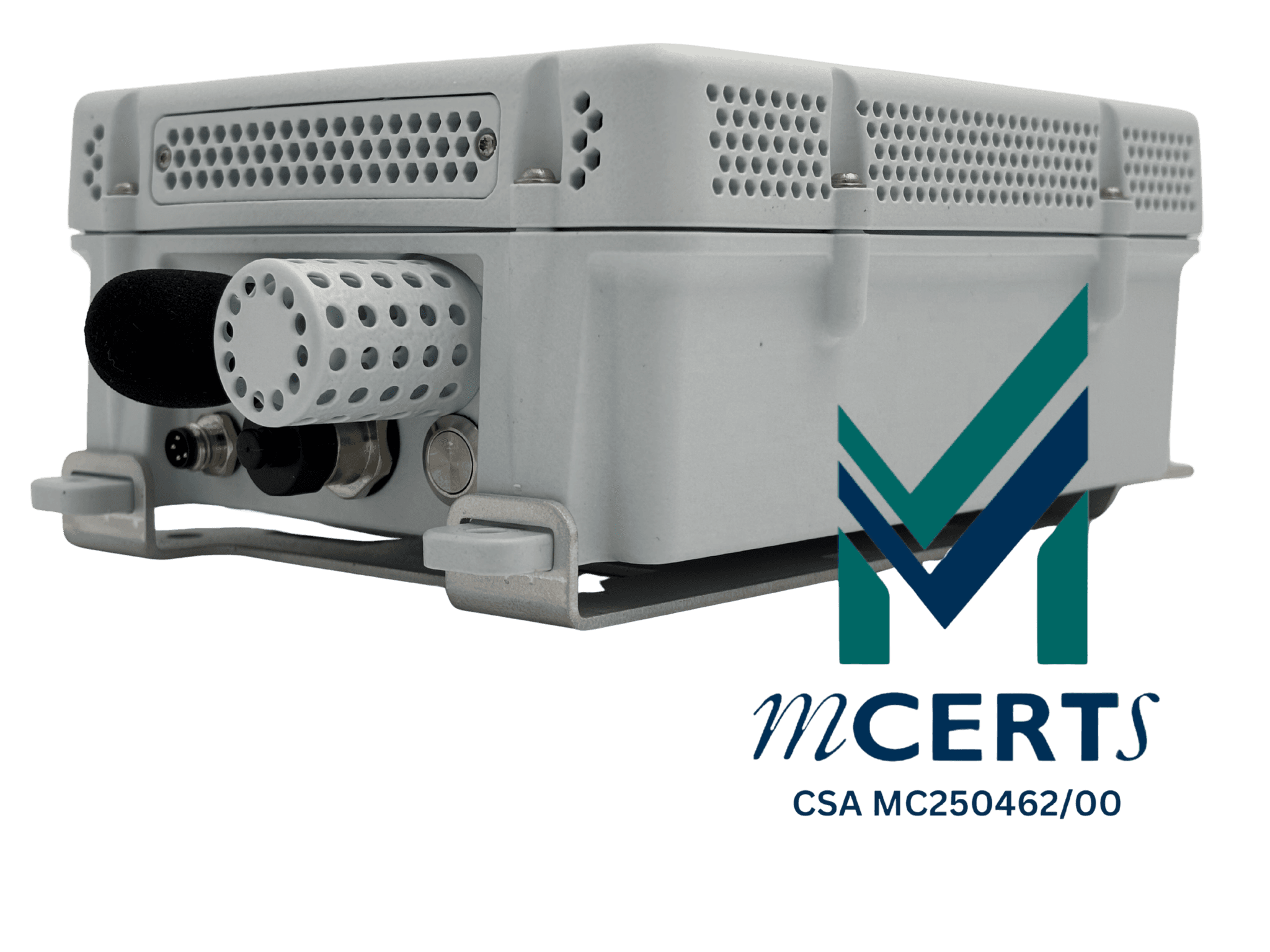
The Sensorbee Air Pro 2 Cellular is a professional air environmental monitoring device. It uses solar power to measure dust, temperature, humidity, and gases. It can connect to extra sensors and shares data via mobile networks. This tool is designed for efficient and eco-friendly monitoring, useful for advanced environmental research and urban management.
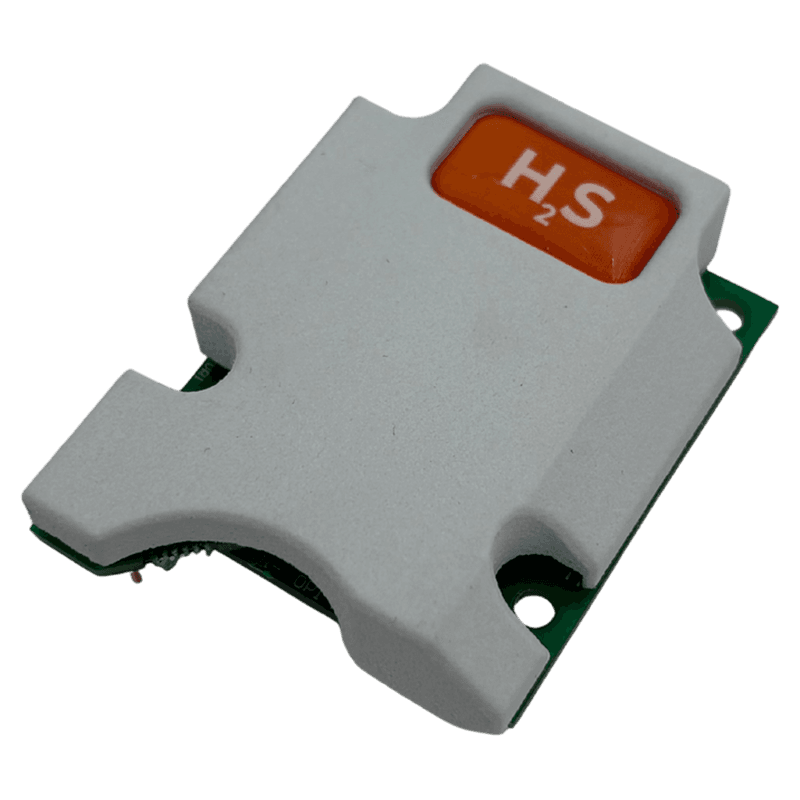
The Hydrogen Sulphide (H2S) Gas Sensor is critical for industrial odour monitoring at landfills, wastewater treatment plants, and other facilities where H2S is a concern.
Industrial facilities that generate odour — landfills, wastewater treatment works, composting sites, chemical plants, rendering operations — face a regulatory environment that is increasingly intolerant of nuisance emissions. Under the Environmental Permitting (England and Wales) Regulations 2016, the Environment Agency can take enforcement action against operators whose emissions cause pollution or harm to human health, even if the facility is operating within its permit conditions.
Odour complaints are one of the most common triggers for regulatory intervention. A single persistent complaint can escalate to a formal investigation, a compliance assessment visit, and ultimately an enforcement notice or permit variation that restricts operations. The cost of reactive complaint management — both in regulatory penalties and community trust — far exceeds the cost of proactive monitoring.
The challenge is that odour is inherently difficult to measure objectively. Traditional approaches rely on olfactometry (human panel assessments) and spot sampling, which are expensive, intermittent, and cannot capture transient events. Continuous instrumental monitoring of odour indicator gases — hydrogen sulfide (H₂S), volatile organic compounds (VOCs), and ammonia (NH₃) — provides real-time, objective data that correlates with odour perception and supports proactive management.
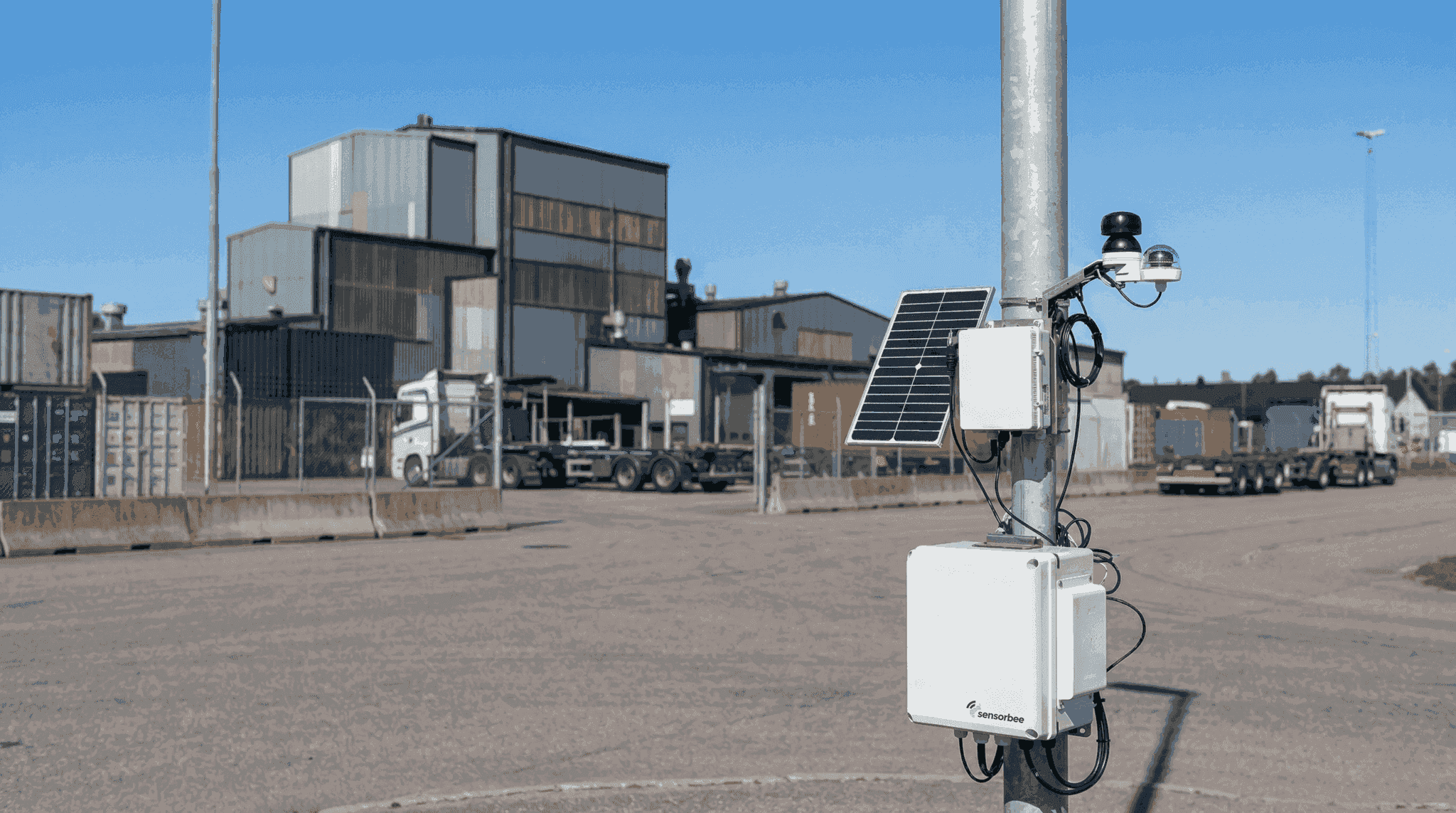
Sensorbee's Air Pro 2 with plug-in H₂S, VOC, and NH₃ gas sensor modules delivers continuous fenceline monitoring with wind correlation — all from solar-powered units that deploy at remote boundary locations without mains power.
UK industrial emissions are regulated through the environmental permitting regime, which implements the Industrial Emissions Directive (IED) for larger installations and the Environmental Permitting Regulations for smaller Part B processes. Key regulatory requirements that drive monitoring needs include:
Environmental permits — Conditions typically require operators to prevent or minimise emissions of polluting substances, including odour. Permit conditions may specify boundary concentration limits, monitoring methods, and reporting obligations. The Environment Agency's H4 guidance on odour management sets out the framework for odour impact assessment and management plans.
Best Available Techniques (BAT) — The BAT Reference Documents (BREFs) published under the IED define the emission levels associated with best available techniques for each industrial sector. Operators must demonstrate that their emissions are consistent with BAT-associated emission levels (BAT-AELs), which increasingly requires continuous monitoring data rather than periodic spot checks.
Statutory nuisance — Under Part III of the Environmental Protection Act 1990, local authorities can take action against odour emissions that constitute a statutory nuisance, independent of the environmental permit regime. This gives communities a direct legal route to challenge persistent odour problems.
MCERTS certification — The Environment Agency's Monitoring Certification Scheme applies to continuous emissions monitoring systems. The Sensorbee Air Pro 2 is MCERTS-certified for PM10 and PM2.5, providing certified particulate data alongside gas measurements for comprehensive boundary monitoring.
The Air Pro 2 supports up to six plug-in gas sensor modules, allowing each fenceline monitoring point to be configured for the specific pollutants relevant to that facility:
| Gas Sensor | Detection Limit | Range | Key Applications |
|---|---|---|---|
| H₂S (SB4282) | 2 ppb | 0–2,000 ppb | Landfill, wastewater, anaerobic digestion, petrochemical |
| VOC (SB4292) | 2 ppb | 0–2,000 ppb | Chemical processing, solvent use, coating operations |
| NH₃ (SB4232) | 100 ppb | 0–100 ppm | Composting, agricultural waste, fertiliser production |
| NO₂ (SB4202) | 3 ppb | 0–10,000 ppb | Combustion sources, thermal treatment |
| SO₂ (SB4252) | 3 ppb | 0–10,000 ppb | Waste incineration, energy from waste |
| CO (SB4262) | 10 ppb | 0–7,000 ppb | Incomplete combustion, landfill gas |
Each sensor module is factory-calibrated, individually certified, and plugs directly into the Air Pro 2 base unit via M8 connector. The built-in EnviroSense module adds temperature, humidity, and atmospheric pressure as standard.
Alongside gas measurements, the Air Pro 2 measures PM1, PM2.5, and PM10 (MCERTS-certified) and can be paired with the wind sensor for wind speed and direction — essential for source attribution.
Knowing that an emission event has occurred is only half the challenge. The critical question for facility managers and regulators is: where did it come from?
Sensorbee's cloud platform overlays gas concentration data with wind speed and direction measurements, enabling real-time source attribution:
This capability transforms fenceline monitoring from a simple compliance record into an active management tool that enables rapid corrective action — adjusting processes, activating odour suppression systems, or pausing operations before emissions reach sensitive receptors.
Industrial boundary monitoring presents unique deployment challenges. Fence lines are often remote from buildings and mains power, spanning hundreds of metres of perimeter. Traditional monitoring stations require trenching for power cables, concrete pads, and ongoing utility costs — making comprehensive boundary coverage prohibitively expensive.
Sensorbee eliminates these infrastructure barriers:
A typical fenceline deployment of 4–8 units provides comprehensive boundary coverage for a medium-sized industrial facility, at a fraction of the cost of fixed reference-grade monitoring stations.
1. Deploy at fence lines — mount the Air Pro 2 at each sensitive receptor point around the facility perimeter. Configure gas sensors for your specific pollutant profile — H₂S and VOC for a landfill, NH₃ and VOC for a composting site, SO₂ and NO₂ for a thermal treatment plant.
2. Set your thresholds — configure alert levels in the Sensorbee cloud platform based on your permit conditions, odour management plan thresholds, or industry-specific guidance values.
3. Monitor in real time — view live readings from all fenceline sensors on a single dashboard. Receive automated SMS or email alerts the moment any gas concentration approaches its threshold, with wind direction context for immediate source identification.
4. Report with confidence — generate compliance reports with timestamped, continuous data for regulatory submissions, permit reviews, and community liaison. All data is exportable and audit-ready.
Industrial facilities located near ports often share emission sources and community receptors with port operations, requiring coordinated monitoring across both sites. Where industrial emissions affect residential areas, the data from fenceline monitoring feeds into wider urban air quality assessments and LAQM reporting.
What gases cause industrial odour complaints?
The most common odour-causing gases at industrial facilities are hydrogen sulfide (H₂S), which has a characteristic rotten-egg smell detectable by humans at concentrations as low as 0.5 ppb; volatile organic compounds (VOCs), which include a wide range of organic chemicals with varying odour characteristics; and ammonia (NH₃), which is associated with waste processing, composting, and agricultural operations. The Sensorbee Air Pro 2 can monitor all three simultaneously alongside NO₂, SO₂, and CO.
Is continuous monitoring required by environmental permits?
Not all environmental permits require continuous monitoring, but the Environment Agency is increasingly specifying continuous monitoring as a permit condition for facilities with a history of odour complaints or those located near sensitive receptors. Even where not explicitly required, continuous monitoring data provides significantly stronger evidence of compliance than periodic spot checks — and can prevent regulatory escalation by demonstrating proactive management.
How does wind correlation help with odour management?
Wind correlation combines gas concentration measurements with simultaneous wind speed and direction data. When a fenceline sensor detects elevated H₂S, for example, the wind direction at that moment indicates which part of the facility the emission originated from. Over time, polar plots build a statistical picture of which wind sectors are associated with elevated concentrations, identifying persistent emission sources that need operational attention.
Can Sensorbee replace olfactometry for odour assessment?
Instrumental monitoring and olfactometry serve complementary purposes. Olfactometry (EN 13725) measures odour concentration in odour units using a human panel, providing a direct assessment of odour nuisance potential. Instrumental monitoring measures specific gas concentrations continuously, providing real-time data for proactive management. Sensorbee data can support olfactometry studies by identifying when and where to sample, and by providing continuous evidence of odour management performance between periodic olfactometric assessments.
Sensorbee integrates with your existing environmental management systems and regulatory reporting workflows. Download our product catalogue for full technical specifications, or contact our team to discuss your fenceline monitoring requirements.
Contact our team to discuss your specific monitoring requirements.