Compare Sensorbee and Sonitus Systems EM2030 for construction noise monitoring. IEC 61672 Class 1, dust and vibration add-ons, power options, and UK project guidance.
Sonitus Systems manufactures the EM2030 — one of the most widely deployed online noise monitors on UK construction sites. Distributed in the UK by Campbell Associates and Noise Meters, the EM2030 is a dedicated Class 1 sound level meter that has expanded to include optional dust and vibration measurement.
Sensorbee takes a different approach: all parameters — noise, dust, vibration, gas, and weather — integrated into a single solar-powered device. This comparison helps you decide which architecture suits your project.
This comparison uses publicly available specifications from Sonitus Systems product pages, distributor documentation, and the Sensorbee product catalogue.
At a Glance: Sensorbee vs Sonitus EM2030
| Feature | Sensorbee Pro 2 | Sonitus EM2030 |
|---|---|---|
| Noise | LAeq (dB) | LAeq, LAFmax, LN% (IEC 61672 Class 1) |
| Dust | PM1, PM2.5, PM10 (built-in) | DM30 add-on (separate device) |
| Vibration | PPV (built-in) | Optional vibration add-on (separate device) |
| Gases | Up to 6 modules | Not available |
| Noise certification | — | IEC 61672 Class 1 |
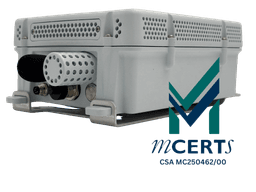
| Dust certification | MCERTS (PM10 & PM2.5) | MCERTS (DM30 SiteSens variant) |
| Power | Solar + 20 Ah battery | Mains + battery backup (18+ days) |
| Connectivity | LTE-M / NB-IoT | 3G/4G cellular |
| Weight | ~1.9 kg | Not publicly documented |
| Data platform | Sensorbee Cloud | Sonitus cloud portal |
| Deployment | Single unit, under 5 minutes | Main unit + optional add-on devices |
| UK distribution | Direct | Campbell Associates, Noise Meters |
What Sonitus Systems Offers
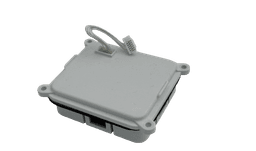
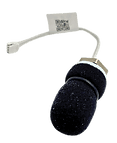
Sonitus Systems is an Irish manufacturer whose EM2030 has become a standard choice for UK construction noise monitoring. The system consists of a rugged measurement unit, a weatherproof outdoor microphone with mounting stand, and a mains power supply with battery backup.
The EM2030 measures to IEC 61672 Class 1 — the highest specification for environmental noise measurement. It provides full noise metrics including LAeq, LAFmax, and statistical levels (LN%), and connects to the internet via 3G/4G for regular cloud uploads. Battery backup provides 18+ days of autonomous operation when mains power is interrupted.
For multi-parameter monitoring, Sonitus offers:
- ·DM30 SiteSens — a combined noise and dust monitor using EM2030 technology with added MCERTS particulate measurement, distributed by Campbell Associates
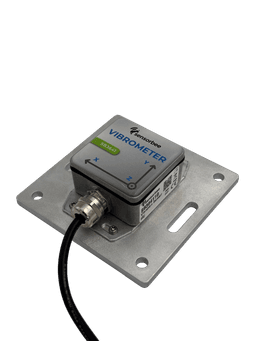
- ·Vibration add-on — optional vibration measurement as a separate device alongside the EM2030
The EM2030 is well-established with UK environmental consultants and is available for both purchase and hire through UK distributors. Its Class 1 noise measurement and proven reliability make it a common specification on Section 61 consent conditions.
What Sensorbee Offers
The Sensorbee Pro 2 integrates dust (PM1, PM2.5, PM10), noise (LAeq), vibration (PPV), temperature, humidity, pressure, and VOC into a single 1.9 kg solar-powered device. MCERTS certified for PM10 and PM2.5. Up to six gas sensor modules for expanded air quality monitoring.
Key Differences
Noise Measurement Specification
The EM2030's core strength is IEC 61672 Class 1 noise measurement. This is the gold standard for environmental noise — and a common specification in Section 61 consent conditions and BS 5228 assessments. The EM2030 provides LAeq, LAFmax, and statistical levels (LN%) that acoustic consultants need for detailed noise assessment.
Sensorbee measures LAeq, which is the most commonly specified metric for ongoing monitoring. It does not provide Class 1 certification, LAFmax, or statistical noise levels. For projects where the consent condition specifies "IEC 61672 Class 1" or where an acoustic consultant requires LN% statistics, the EM2030 meets the requirement and Sensorbee does not.
Integration vs. Separate Devices
This is the fundamental trade-off. The EM2030 is a noise specialist. Adding dust requires the DM30 SiteSens (a separate device). Adding vibration requires another separate device. Each adds cost, power requirements, and setup time.
Sensorbee provides noise, dust, and vibration from a single device. On a construction site with four boundary monitoring positions, Sensorbee requires four devices. An equivalent EM2030 + DM30 + vibration setup requires up to twelve devices — three per position.
Power Architecture
The EM2030 is primarily mains-powered with a battery backup lasting 18+ days. This is practical for sites with available power and provides extended autonomy when power is interrupted, but requires initial power provisioning at each monitoring location.
Sensorbee runs on solar with a 20 Ah battery as standard — no mains power needed. For construction sites where monitoring positions are at site boundaries without power infrastructure, this eliminates a significant deployment barrier.
Air Quality Capability
The EM2030 and DM30 do not include gas or air quality monitoring. Sensorbee supports up to six gas modules, enabling combined NDV and air quality monitoring from a single station — increasingly relevant for urban construction projects near residential receptors.
UK Market Position
The EM2030 has a strong UK market position through established distributors (Campbell Associates, Noise Meters, Specto Technology). It is well-known to acoustic consultants and frequently specified by name in monitoring plans. Equipment is available for both purchase and hire.
Sensorbee is a newer entrant to the UK market but brings a differentiated approach — all-in-one integration, solar power, and multi-parameter capability — that addresses practical deployment challenges the EM2030's separate-device approach does not.
Which Is Right for Your Project?
Sonitus EM2030 may be the better choice if:
- ·Your consent conditions specify IEC 61672 Class 1 noise measurement
- ·LAFmax and LN% statistical noise levels are required
- ·Mains power is available at monitoring locations
- ·Your acoustic consultant specifies the EM2030 by name
- ·Equipment hire (rather than purchase) suits your project budget
- ·Noise is the primary measurement and dust/vibration are secondary
Sensorbee Pro 2 may be the better choice if:
- ·You need noise, dust, and vibration from a single solar-powered device
- ·Monitoring positions lack mains power
- ·Air quality monitoring is needed alongside construction NDV
- ·Budget favours one device per position rather than three
- ·Monitoring positions change frequently during the project
- ·MCERTS-certified dust monitoring is a priority
For many UK construction projects, the practical decision comes down to: does the consent condition specify Class 1 noise? If yes, the EM2030 meets this directly. If the condition specifies continuous LAeq monitoring with threshold alerts — which many do — Sensorbee covers this while adding dust, vibration, and gas capability in a single solar-powered device.
Frequently Asked Questions
Is the Sonitus EM2030 suitable for dust monitoring?
The EM2030 alone does not measure dust. The DM30 SiteSens variant (available through Campbell Associates) combines noise and MCERTS dust monitoring in a single unit. For dust-only or dust-plus-noise monitoring, the DM30 SiteSens is the relevant Sonitus product.
Can Sensorbee achieve IEC 61672 Class 1 noise measurement?
The Sensorbee Pro 2 does not currently hold IEC 61672 Class 1 certification. It measures LAeq, which covers the most common construction noise monitoring requirement. If your consent conditions specifically require Class 1 compliance, the EM2030 or another Class 1 certified monitor would be needed.
How long does the EM2030 battery last?
Sonitus specifies 18+ days of battery life for the EM2030 when running on battery backup. This is the noise monitor only — battery life with dust and vibration add-ons may differ. Contact Sonitus Systems or their UK distributors for battery specifications with multi-parameter configurations.
Can I hire Sensorbee equipment?
Contact Sensorbee directly to discuss purchase and deployment options. The EM2030 is widely available for hire through UK distributors including Campbell Associates and Noise Meters, which may be preferable for short-duration projects.
Which system is easier to relocate on site?
Sensorbee's single 1.9 kg unit with pole mount can be relocated in minutes by one person. Relocating an EM2030 + DM30 + vibration monitor setup involves moving and reconnecting multiple devices, which takes significantly longer — a practical consideration on sites where monitoring positions change as work progresses.
Ready to compare? Download the Sensorbee product catalogue for full specifications, or request a quote to discuss your project.