Compare Sensorbee and Clarity Node-S — both solar-powered, MCERTS-certified air quality monitors. Side-by-side specs, pricing models, and guidance for UK monitoring projects.
Sensorbee and Clarity share more common ground than most competitors in this space. Both are solar-powered, MCERTS-certified, and designed for rapid deployment without mains power. Both target environmental consultants and regulatory bodies. The differences lie in what they measure, how they are sold, and which projects they best serve.
This comparison uses publicly available specifications, product pages, and certification records. Where information is not publicly documented, we note it.
At a Glance: Sensorbee vs Clarity Node-S
| Feature | Sensorbee Pro 2 | Clarity Node-S |
|---|---|---|
| Dust | PM1, PM2.5, PM10 | PM2.5 |
| Gases | Up to 6 modules (NO2, SO2, CO, O3, H2S, CO2, NH3, VOC) | NO2 (+ optional multi-gas: NO2, CO, O3) |
| Noise | LAeq (dB) | Not available |
| Vibration | PPV | Not available |
| MCERTS | Yes (PM10 & PM2.5) | Yes |
| Power | Solar + 20 Ah battery | Solar + battery backup |
| Connectivity | LTE-M / NB-IoT | Cellular (global SIM) |
| Weight | ~1.9 kg | Not publicly documented |
| Pricing model | Hardware purchase | Sensing-as-a-Service subscription |
| Data platform | Sensorbee Cloud | Clarity Dashboard + API |
| Data ownership | Customer owns data | Customer owns 100% of data |
| Target application | Multi-parameter environmental monitoring | Air quality networks and regulatory monitoring |
| Price | Contact for quote | Subscription-based — contact for quote |
What the Clarity Node-S Offers
Clarity is a US-based company that positions itself as a provider of "Sensing-as-a-Service" — a subscription model that bundles hardware, software, connectivity, calibration, technical support, and device replacement under warranty into a single ongoing cost. There is no upfront capital expenditure for the hardware itself.
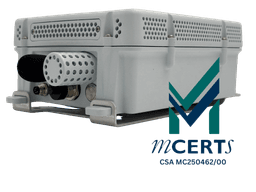
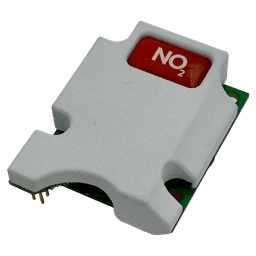
The Clarity Node-S measures PM2.5 and NO2 as standard, with temperature and humidity. Optional add-on modules extend measurement to black carbon and additional gases (NO2, CO, O3 via the Multi-Gas Module). The device is solar-powered with battery backup and connects via a global cellular SIM.
Clarity holds MCERTS certification and emphasises data quality through continuous QA/QC, field validation, and machine learning calibration models. Their platform has been deployed in major programmes — Breathe London (400+ sensors across 63 km²), Chicago (200+ Node-S sensors), and networks in Los Angeles, Manila, Perth, and Washington D.C.
The Clarity Dashboard provides real-time analytics, historical trends, API access for third-party integration, and an OpenMap platform for public data sharing. They emphasise that customers own 100% of their data — it is not made public unless you opt in.
With 679 UK keywords and approximately 1,584 monthly organic visits, Clarity has a strong search presence, though much of their content targets broad air quality education topics rather than product-specific terms.
What Sensorbee Offers
The Sensorbee Pro 2 measures dust (PM1, PM2.5, PM10), noise (LAeq), vibration (PPV), temperature, humidity, pressure, and VOC in a single 1.9 kg solar-powered device. It holds MCERTS certification for PM10 and PM2.5. Up to six gas sensor modules add NO2, SO2, CO, O3, H2S, and CO2.
Sensorbee is sold as hardware — you purchase the equipment and own it. Data is transmitted to Sensorbee Cloud via NB-IoT or LTE-M.
Key Differences
Parameter Coverage
This is the most significant technical difference. The Clarity Node-S measures two pollutant parameters as standard (PM2.5 and NO2), extendable to four with add-on modules. The Sensorbee Pro 2 measures dust (three PM fractions), noise, vibration, and VOC as standard, extendable to include up to six additional gas sensors.
Clarity does not measure PM10, PM1, noise, or vibration. For UK projects where PM10 is the primary regulatory trigger (particularly construction sites where IAQM guidance centres on PM10), this is a material gap. For projects focused purely on PM2.5 and NO2 — the two pollutants most closely linked to health outcomes in urban environments — Clarity covers the requirement.
Pricing Model: Purchase vs. Subscription
Clarity's Sensing-as-a-Service model eliminates upfront capital expenditure. You pay a subscription that covers hardware, software, calibration, connectivity, support, and warranty replacement. This is attractive for organisations that prefer operational expenditure (OpEx) over capital expenditure (CapEx), or for short-term monitoring programmes where owning equipment is not practical.
Sensorbee is purchased as hardware. Over a multi-year deployment, ownership typically has a lower total cost than a subscription — but it requires upfront capital, and maintenance and connectivity are the owner's responsibility.
Consider subscription (Clarity) if: Your monitoring programme is time-limited, you prefer OpEx budgeting, or you want calibration and support bundled.
Consider purchase (Sensorbee) if: You plan to use the equipment across multiple projects over several years, you prefer asset ownership, or your organisation favours CapEx.
Noise and Vibration
Clarity has no noise or vibration capability. Sensorbee includes both as standard. For UK construction projects requiring BS 5228 noise monitoring and BS 7385 vibration monitoring, Clarity would need to be supplemented with separate monitoring equipment.
Network Scale and Data Science
Clarity has invested heavily in network-scale deployments and data science. Their calibration approach uses machine learning models trained on co-location data, and they offer add-on services including custom insight reports, trend analysis, and stakeholder-ready communications. If you are deploying 50+ sensors across a city, Clarity's platform and support infrastructure are designed for that use case.
Sensorbee Cloud is focused on core monitoring functionality — real-time data, alerts, and export. For smaller deployments (1–20 stations) or projects where the data is managed by an environmental consultant rather than a city authority, this covers the typical requirement.
MCERTS Scope
Both systems hold MCERTS certification. Clarity's MCERTS covers their Node-S for PM2.5. Sensorbee's MCERTS covers PM10 and PM2.5. If your project requires MCERTS-certified PM10 data (which most UK construction dust monitoring does), Sensorbee covers this directly. Verify Clarity's specific MCERTS scope if PM10 is a requirement.
Which Is Right for Your Project?
Clarity Node-S may be the better choice if:
- ·Your project focuses on PM2.5 and NO2 monitoring only
- ·You are deploying a large-scale urban air quality network (50+ nodes)
- ·Subscription pricing with bundled calibration and support fits your budget model
- ·You need public-facing data sharing (OpenMap)
- ·Black carbon measurement is required
Sensorbee Pro 2 may be the better choice if:
- ·You need noise, dust, and vibration monitoring from a single device
- ·PM10 measurement is required (construction, industrial, port monitoring)
- ·Solar-powered deployment with no ongoing subscription is preferred
- ·Your project requires gas monitoring beyond NO2 and CO/O3
- ·Equipment ownership across multiple projects offers better long-term value
For UK environmental consultants, the choice often depends on the project type. Urban air quality networks focused on PM2.5 and NO2 may suit Clarity's network-scale approach. Construction, industrial, and multi-parameter environmental monitoring projects benefit from Sensorbee's integrated NDV capability and hardware ownership model.
Frequently Asked Questions
Does Clarity Node-S measure PM10?
The Clarity Node-S measures PM2.5 as standard. PM10 measurement is not listed as a standard or optional parameter. If your project requires PM10 data — which is the primary regulatory trigger for UK construction dust monitoring — verify with Clarity whether their platform supports PM10, or consider an alternative that includes PM10 as standard.
Is Clarity's subscription model more expensive than buying Sensorbee?
It depends on the deployment duration. For short-term projects (under 12 months), Clarity's subscription avoids capital expenditure and may offer better value. For multi-year deployments or equipment that will be reused across multiple projects, purchasing Sensorbee hardware typically results in lower total cost of ownership. Request quotes from both to compare for your specific scenario.
Can Sensorbee match Clarity's network-scale deployments?
Sensorbee Cloud supports multiple stations per account. However, Clarity has a longer track record managing very large networks (400+ sensors) and offers dedicated data science services, machine learning calibration, and stakeholder reporting at network scale. For deployments of 1–20 stations, both platforms are practical. For 50+ station networks, evaluate Sensorbee Cloud's current capabilities against your specific management requirements.
Which system is better for LAQM (Local Air Quality Management)?
For UK LAQM, both are viable depending on the pollutant focus. Clarity targets PM2.5 and NO2, which are the two pollutants most commonly monitored in AQMA (Air Quality Management Areas). Sensorbee adds PM10 and PM1, plus noise and vibration, which may be relevant for LAQM programmes near construction activity or industrial sites.
Do I own my data with both systems?
Yes. Both Clarity and Sensorbee confirm that customers retain full ownership of their monitoring data. Clarity specifically states that data is not made public unless you opt in via their OpenMap platform.
Compare the full specifications — download the Sensorbee product catalogue or contact us to discuss which platform fits your monitoring programme.